

A few days ago, I had a good wail about perfectionism and how it can turn us into human turnips. I wrote that piece because I’d read an article where perfectionism was framed as something cutesy with a Hello Kitty vibe. A kind of hands-in-the-air rally cry for the perpetually-trying-to-be-perfect, as though waggling your finger and telling someone to loosen up would be enough to encourage them to pull on their roller skates, let their hair down, and get over themselves. Or something like that.
It felt important to say that if you struggle with perfectionism, it’s not your fault. It’s part of a system of control we’re trained into. And even though this is unfair, and sucks, and we should all sit around drinking coffee and gesticulating wildly about what a load of rollicking bollocks it is (side note: I would like that very much. Call me.), we can’t escape the fact that if we find ourselves afflicted by the perfectionism gremlins, it’s our responsibility to shake them off. We have to take our own hands and lead ourselves to the other side.
And don’t think I’m telling you this from theory—I’ve cross-trained in the highest form of energy a body can produce without chemical assistance: perfectionism and panic combined. And despite those things, if there’s something I’d happily toot my own horn about, it’s that I am a pro-level action taker. I’m really, really good at getting things done. If I’m inspired, have an idea, or want to do something, I’m doing it as soon as yesterday. I believe I can do it, and if I can’t yet, I’m convinced there’s a way. I don’t know where this self-belief came from, but I’m grateful to her.
Action, I’m convinced, is the elixir. An astonishing, repetitive, mildly nauseating dedication to literally doing The Thing. It’s really as simple (and as complicated) as that.
With that in mind, let’s adventure on. If we were to summarise the “problem of perfectionism” in a creative sense into a single point, it would be this:
Perfectionism, in practice, is either a problem of starting or a problem of finishing.
Let’s look at both.
The Problem of Starting
Perfectionism is a starting problem because that glistening idea in your brain never seems to materialise the way you want it to when it lands on the page. Somewhere between your head and the paper (or the computer, or whatever your chosen surface), it gets stuck at the traffic lights on a highway that’s always under construction.
You find yourself deleting more words than you write, erasing more lines than you draw, and wallowing in a frustration that soon feels too big for your skin to contain.
I’m not going to sit here and tell you to “focus on the process” or “not worry about making something good,” because that kind of advice will just make you want to hurt me.
Instead, I’m going to tell you this:
Focus On Quantity Instead Of Quality
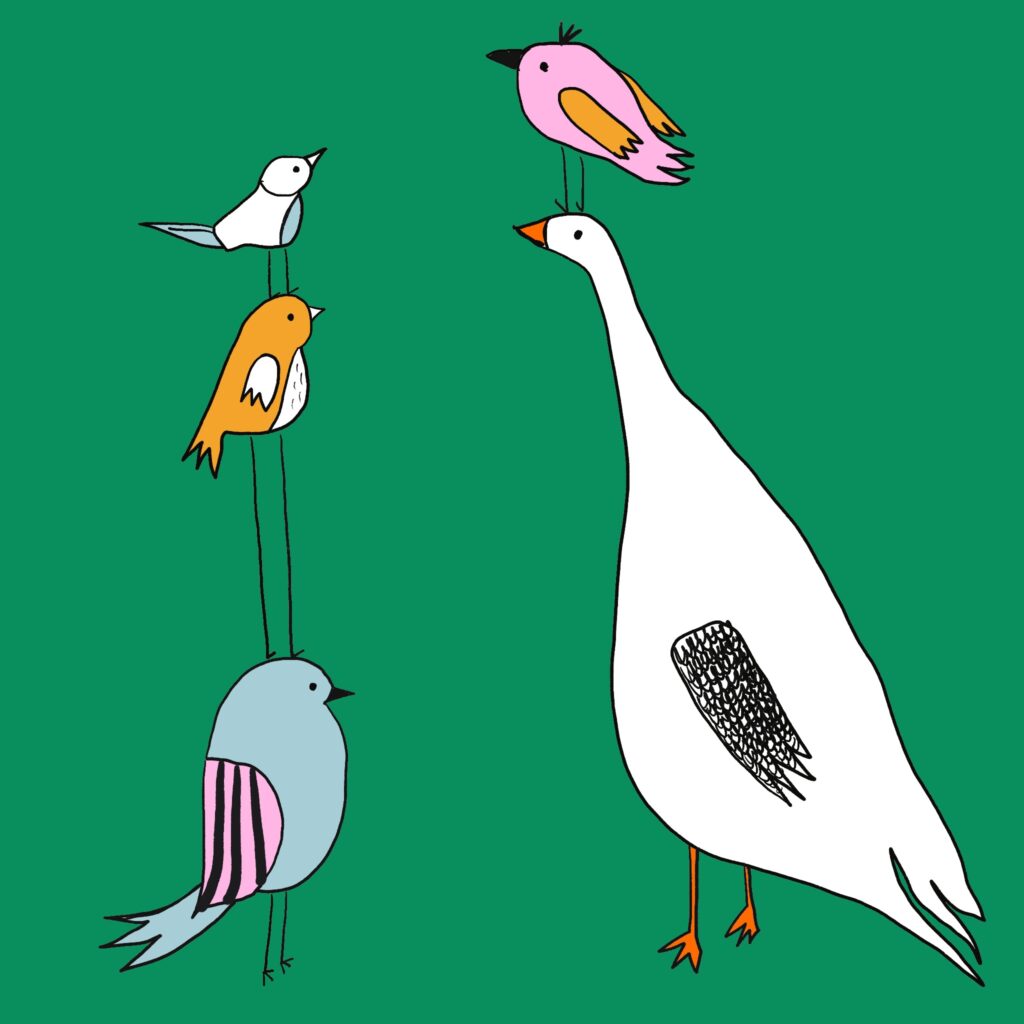
We’re going to shift the compass slightly. Instead of aiming for the perfect paragraph or the drawing that turns out exactly the way you imagined, you’re going to give yourself a quantity goal. You’re going to commit to loads of art.
A drawing a day. A thousand words a session. Whatever fits your form of expression.
We need to keep the gremlins busy but distract them with new goals. And weirdly enough, if we can do that, keep an open mind to learning, and pick up some skills along the way, the quality starts to take care of itself.
The Problem of Finishing
Now we get to the other end of the spectrum: finishing.
If you’ve spent time on a piece or project and find yourself swimming in the sea of “just one more thing”—one more edit, tweak, or stroke of paint—you’re going to have to give yourself a deadline and decide when it’s enough.
Too many unfinished things eat us alive. There’s a liberation in ending.
We leave things open and undone as a “just in case” policy. In case we can make it better. In case we think of a different way to end it.
But end it you must. Draw a line in the sand and finish The Thing.
I’m actually quite obsessed with this idea of finishing energy. I’ve noticed how many half-done things linger in my mind and how consuming they are—how they create a particular kind of fatigue from holding so many things “open.”
And when we think of finishing, it’s important not just to think of bigger projects, but to commit to acts of finishing every day. To become heroic micro-finishers, dedicated to mindscapes like open pastures and forests rather than battery chicken farms.
Following Your Own Instructions (Otherwise Known As Exporting Your Perfectionism)
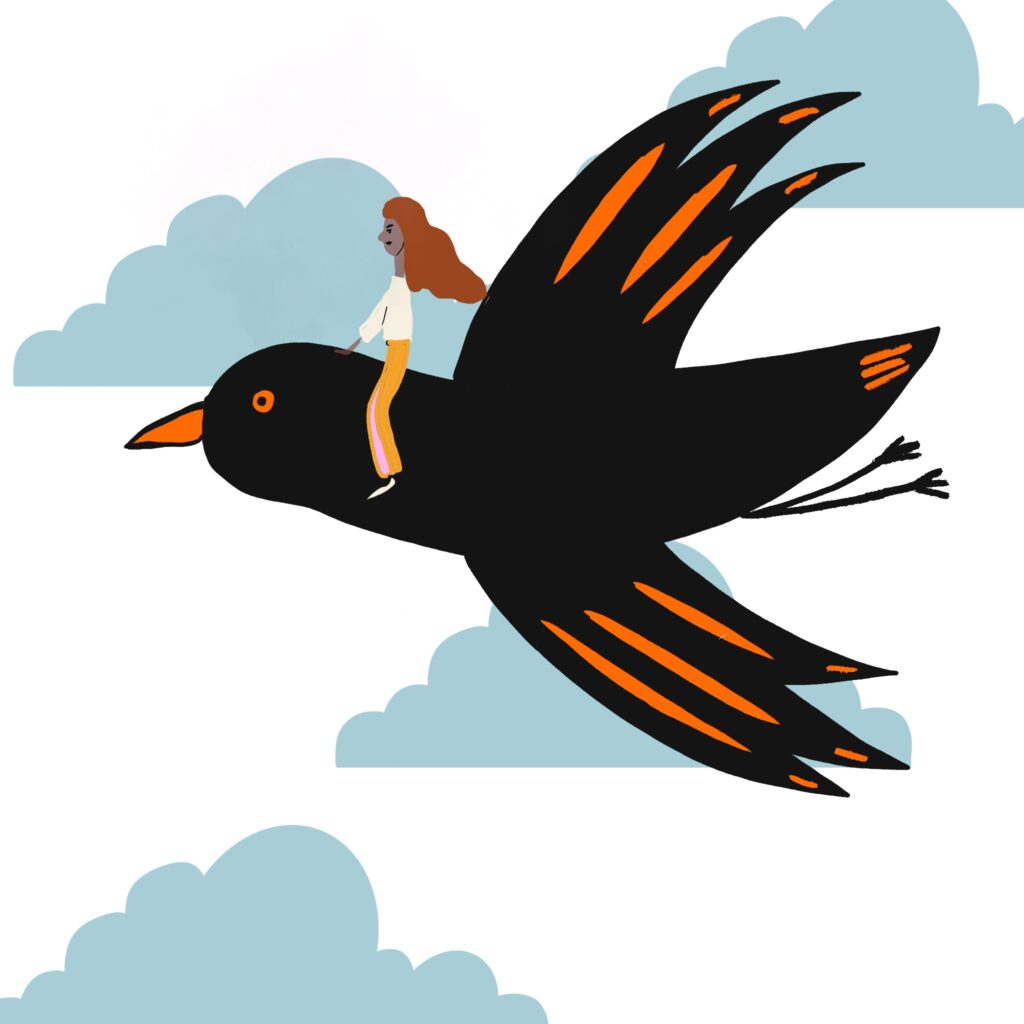
What you’ll be left with now is a conversation with your body. When you sit down to do The Thing—or finish The Thing—and your perfectionism gremlins get activated, it’s going to show up in your body in a very specific way. One you’ll recognise.
“Ahh,” you’ll say. “Here we go again.”
That feeling will be seductive, so take this as your warning. It will try to convince you to discard everything we’ve talked about and return to your familiar patterns. There will be comfort in that—not because it’s what’s best for you, but because it’s what’s known.
So here’s what you must do:
Decide on your quantity goal, and decide in advance what “enough” will be. Decide when you will finish.
Be humane with yourself. These goals are not for beating yourself up—they’re scaffolds to help you create something new.
Write them down, and then follow your own instructions. Outsource your brain to your written list. Ride shotgun with the gremlins if you must (and you probably will). Pause. Take a break if you need to. But then get going.
Just go and do The Thing.
And you know what else?
You don’t need to be brilliant.
A friend said this to me when I confessed I wanted to write more about the nervous system and creativity but was afraid of being morbidly boring—of slipping into the lingo of my training in a way that wasn’t useful.
I don’t need to be brilliant. But I do need to show up and do the work.
And if that remains our key directive, the beauty is that—in whatever way it fits into our own lives—it’s something we can all absolutely do.
To your glorious, imperfect selves,
xx Jane
PS. I’m serious about the coffee.