
I remember hosting art exhibitions in my bedroom. I must have been around 7 or 8, with various drawings of contrasting size displayed on a corkboard, attached with coloured pins, teetering on a small desk near the window. No doubt at inconvenient times, when mum was in the throes of cooking dinner and dad had finally made it home after a long commute, I would corral them in my bedroom and place their eyeballs on my work.
Coins in the jar, please! No one leaves empty handed! Would you like that wrapped? Thanks for coming!
I can’t remember much about the things I made- my memory, when pressed, serves me up a cartoon dog with floppy ears, clearly the standout piece designed to fetch a premium- but what I do know is that at some point I did and then I didn’t. Draw that is. At some point, I just stopped. And it wasn’t until a couple of years back, some forty turns and then some around the sun, that anything close to drawing came back into my life.
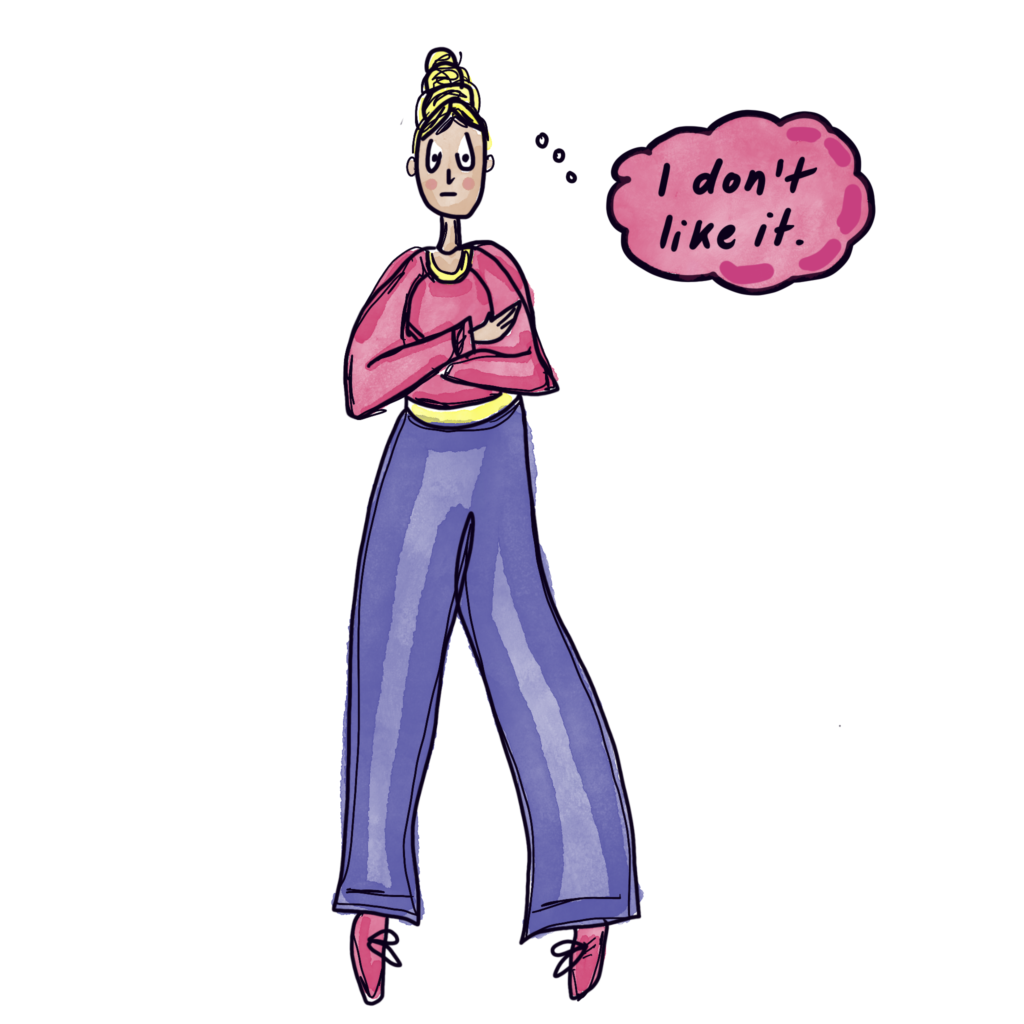
Which makes me think, when did I have that conversation? When did I look at something I made and say:
‘That’s no good. I don’t like it. I’m going to stop.’
Perhaps not explicitly, but that was the decision.
This isn’t the end of the story of course- to end here wouldn’t be a story at all- but I have questions before we continue.
Like, when we say something is no good, what exactly do we mean? In relationship to what? What is the measure of our good-ness?
State your terms, the restrained amongst us say.
It’s a pickle we get ourselves into, this quest for good. This quest to make things we always like.
Even now, as I write to you, I find myself thinking, is this any good?
It creates a particular experience on my insides. One that makes me feel concerned. How interesting. I wonder why we do this, what purpose it all serves.
I can’t tell you what exactly changed and when I decided to begin to paint and draw. I suspect it was the convergence of many things, the main one being this:
I think I became ok with myself. Is that a strange thing to say? That I grew tired of being so concerned with “being good” or needing to like what I made to feel as though I should or could continue.
I became bored of my own neuroses. Boredom is great like that. A necessary point to reach before we say, enough of that already.
And ironically, my decision to be ok- with who I was, with getting things wrong, with letting myself have the experience of doing something I wanted that I wasn’t already skilled at- made me better at navigating uncomfortability. Of being annoyed and frustrated and just getting on with it regardless.
So, you’re frustrated? Who cares. Keep going.
(I know uncomfortabilty is not a word, but it is now because I’ve decided it is, and you understand what I mean and that’s enough.)
There’s a strange thing that happens to adults, when we’re asked to pick up on something we once loved and did freely, like make and create.
We can get angry. Afraid. Ashamed. Or even very, very sad. We can refuse and say it’s stupid and we won’t.
This can happen when you’re asked something simple like,
Please draw a bird, or
Write a 200-word story.
You find you start to panic.
Perhaps we internalize this need to be good as part of a quest for acceptance. Of belonging. Of a desire to be held close and understood. To not be left on our own to figure it all out. And then we make a category error; we mangle it up and tangle it together and take it out of one box and put it in the box labelled ‘Our Art’.
What have we confused inside of us to create this kind of reaction? How have we got to the position where the simple delight of putting pen to paper can feel dangerous, even though we might rationally understand our own reaction as ridiculous?
And could simply letting go of having an opinion be a logical way out? Could we just make that choice and not overcomplicate it?
Could we just make and let it be? Or at least withhold our opinion long enough to let the creative trail continue?
Where might a not having an opinion on what you make or create take you?
A story about letting go of stories
A while back, I had a mentor who was kind but uninterested in my stories. Not the magical story kind. But the stories about how we are. The stories that have unfolded that past week. I noticed that although she listened and was nice, she was uninvested in what I had to say. She was simply ready to begin the work. To, well… get on with it.
Now the response to reading this might be to say, ‘she doesn’t sound like a very kind person’, and ‘everyone deserves to be heard’ but stay with me. Because what she taught me through her okay-ness with everything, regardless of which direction they took me in, was where and how my stories got in the way.
And how ultimately, they didn’t matter. In the best possible way. That I was here to do what I was here to do, with or without them, and that was enough.
At first, I found her approach somewhat abrupt. In many ways, we’re expected to let our stories lead. To bond over what was and how we feel about it before we begin. But session after session, I let my stories go. They were still my stories, but I didn’t feel the need to carry them with me.
I put them down, and let me tell you…
… it was a liberation.
Without my stories, without my inferences about who I thought I was based on the day and what had been, I could show up for what is. And what is existed regardless of my opinion about it. What is was present regardless of my stories.
You can get a lot done when you show up for what is and just get on with it.
There is, of course, a difference between judgment and discernment
I suppose when I’m talking about having an opinion, I’m speaking to you of judgement. Judgement doesn’t make any sense at all to your brain, the reason being this:
When we set out to do anything, we have an intention. This is the start.
I want to make this thing, is what we say.
Then, we make that thing. The brain delights! A Thing has been made! Rejoice!
Then a load of busy elves are sent from the part of us concerned with observation and they ask,
How did that go? How far away did the outcome land from our original intention?
This is not a question of judgement. It’s a question of curiosity in its purest form. That information then gets mailed through to our unconscious brain and the elves in that department get busy figuring out how to close the gap. How to bring our original intention and outcome closer together.
Judgement- when we decide something is good or bad, right or wrong- pulls us into our fight flight brain. It pulls us out of the learning process- out of the creative process- and into the Land of Overthinking, which is a dastardly place to live and doesn’t do you any good at all.
Plus, you send a whole host of well-meaning elves into unemployment. Awful.
Discernment, on the other hand, is a decision about what to follow, expand on and allow to flourish. It holds no disdain or bad feeling. It will not make you cry or feel depressed or tell you to give up.
It says things to like,
Well, this part I find fascinating, or
Even though I have no idea why, this thread is a thread I want to follow, or
this part pleases me and so I’ll take that and continue.
Discernment is a process of recognizing your limited capacity for action and attention, and also what delights.
You can’t do all the things you want to do; discernment is the cherry picker that says yes, no and maybe.
Be discerning but not judgmental. Be clear they’re not the same.
What if you could simply let go of having an opinion?
To trust that what appeared was what needed to be made, regardless of your thoughts and if you liked it? And to carry on from there?
I wonder what would happen if you tried it…
Happy creating,
xx Jane