
Last week, I wrote an essay about imagination. A lot of my work in the day to day looks at how our nervous system expresses in movement (you can learn more about the creative impact of that here) and I had questions:
How might understanding the relationship between the body, the nervous system and creative expression help us get unstuck?
What can we do to stretch our creative limits?
What does it practically look like to get ourselves to a place where new ideas, new inspiration is free to find us?
The mechanics of last week’s exploration was wordy and involved. This week, I wanted to strip it back to its bones.
Theory aside, what happens when the rubber meets the road? What can we do when we’re at our desk or the easel or *the wherever* to encourage our own creative flow and access to imagination?
Let’s tootle around with a few different ideas, shall we?
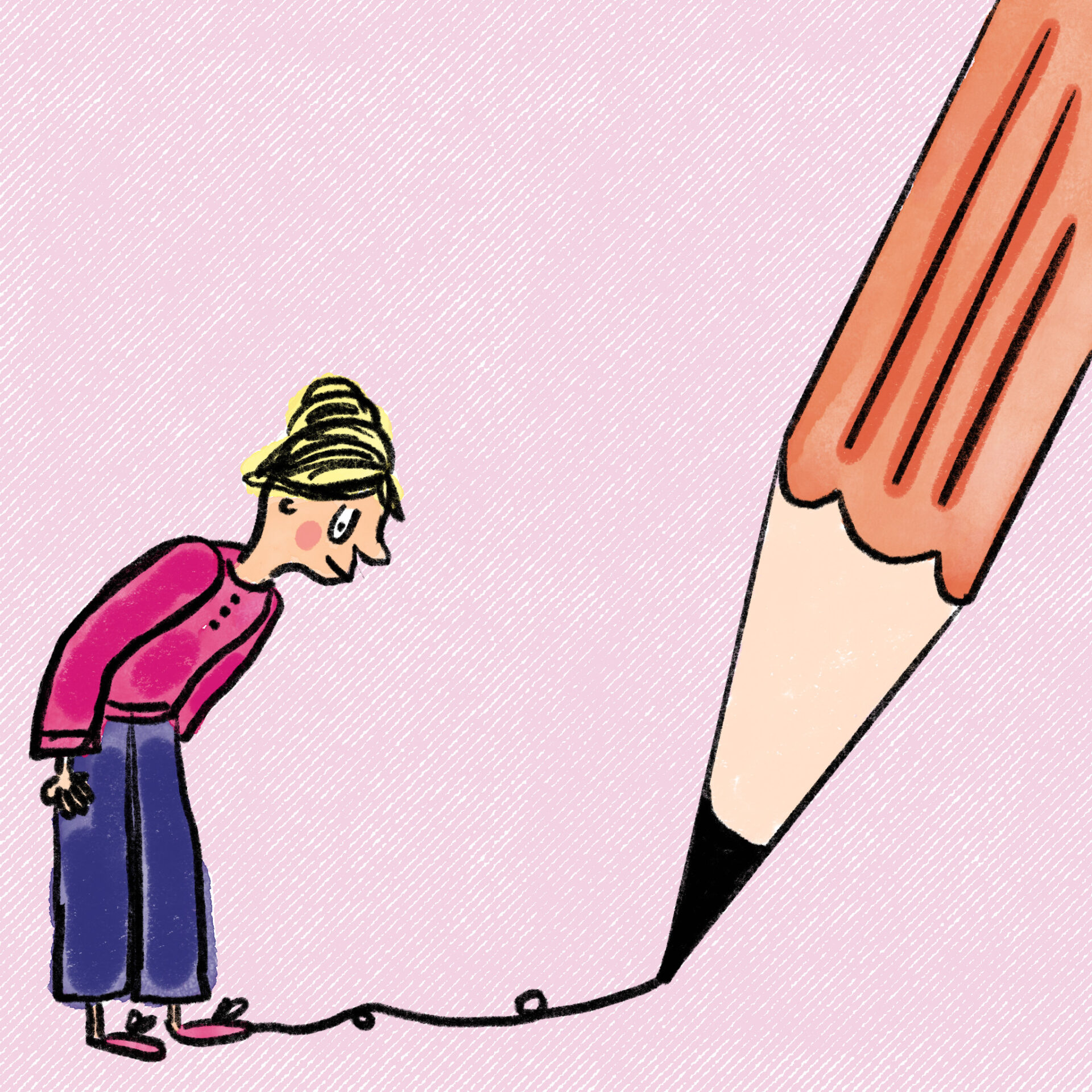
Disrupt authorship. Let your materials take over.
Being willing to explore the outer edges of your own imaginative universe requires a readiness to stay in the unknown for as long as you’re able to handle it.
It’s a relinquishing of control, a ‘let’s see what happens’ space, where we surrender to the unfinished, the awkward, and the unsure, or simply the truth of our creative experience as it expresses through us in that moment.
Disrupting authorship- letting go of the idea that you have to be the one to lead the show- is a great way of butting up against your own control patterns and actively stepping into curiosity.
If you’re finding yourself thinking, erm, well, it’s just me, myself and I doing this whole making and creating business, I’m not talking about letting someone else come in and take over the whole story.
It’s more an invitation to actively work with your materials or your subject matter in a way that that is non-conforming, intentionally experimental, and where you allow yourself to be to lead to places you never would usually have ventured.
Some examples include…
Adding water to your ink, smudging the pen or pencil marks you’ve made, draw on wet instead of dry paper.
Layering your materials (pastel upon pencil upon paint! Go wild!) and then drawing lines in them with found objects. Grab whatever you have and can, especially if it seems completely non-obvious or nonsensical. Especially then.
Draw without looking at the page. Let your hand follow sensation rather than image.
If you’re writing, pick a line with a particular cadence and rhythm and let it set the pace of the words that follow.
Pick a phrase and repeat it.
Allow the sounds of the room around you to shape your sentences. I don’t know what that looks like either. Try it.
Be willing to engage with your work and materials is a way that is intentionally disruptive to your usual modus operandi and see where it leads you.
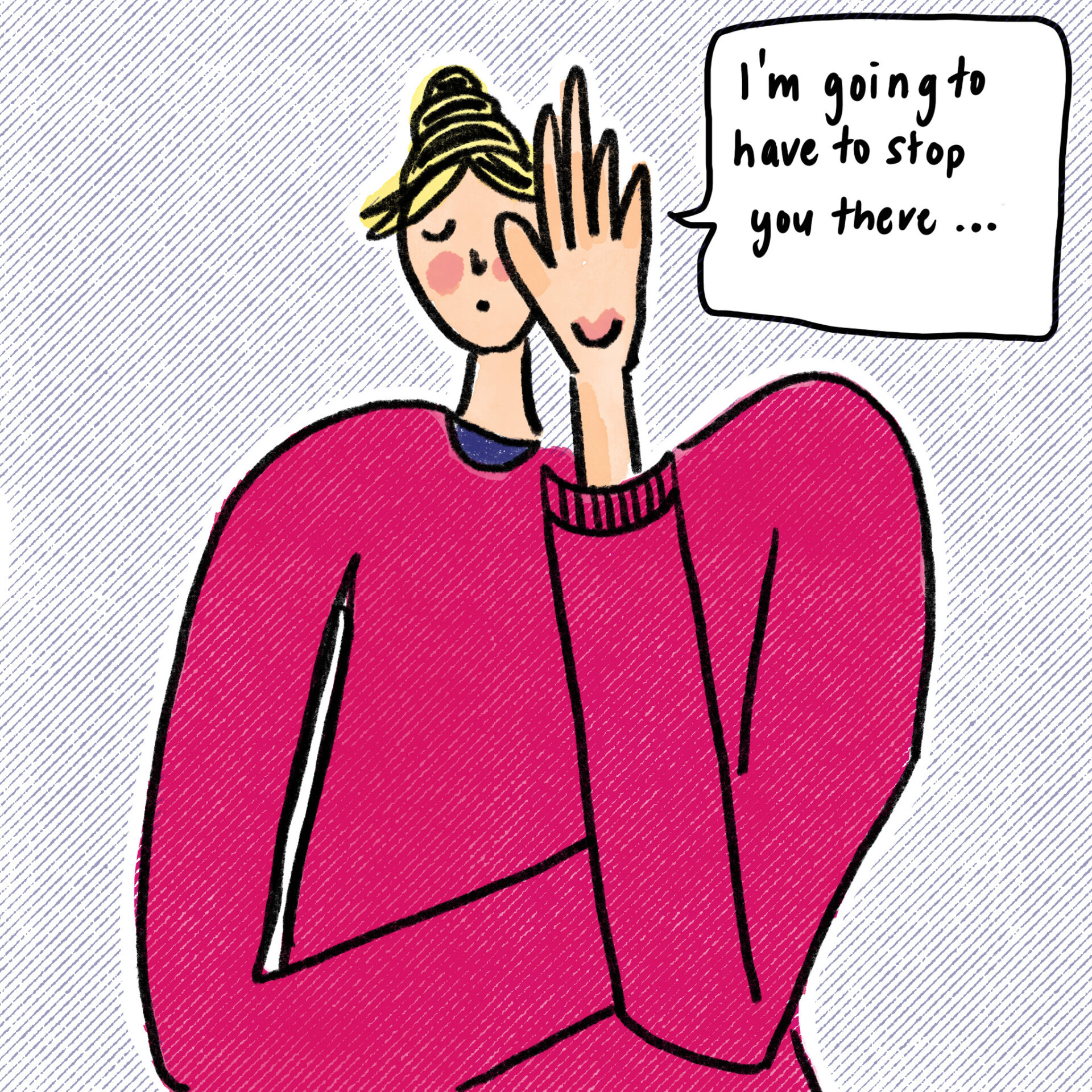
Interrupt your work mid-stream
If you find you’re stuck or things are getting a little formulaic, break things up mid-stride. Interruption prevents pattern completion and forces the brain to re-map rather than repeat.
Stop drawing mid-line and continue on from a completely different angle, or even change your tools.
Rotate the page halfway through a drawing.
Leave a piece intentionally unfinished and begin again some hours later or the next day.
Stop a paragraph mid-sentence and start the next line somewhere unexpected.
Write in curves or shapes instead of straight lines. What does this do for the story, for the process of your thoughts?
Start your essay in the middle, or in mid-sentence conversation.
Begin and end somewhere unexpected.
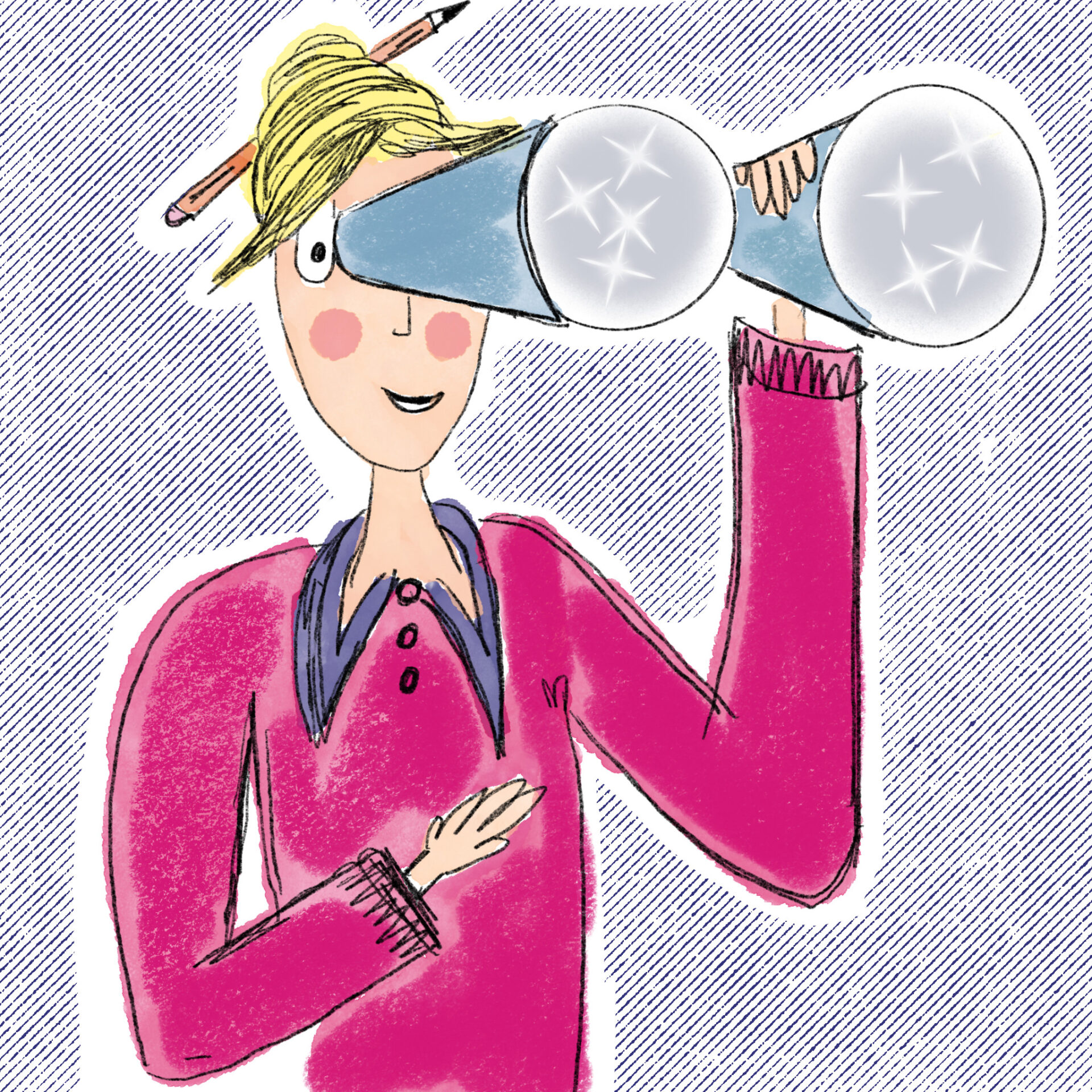
Work at the edges of perception
I mean this quite literally.
What happens if you work in a room with low light or your eyes half closed?
This is not about trying to force clarity, or straining to see in a room where you feel half blind, but practicing ‘seeing’ in a different way.
What other senses wake up when your visual field is dimmed? What more do you become aware of?
How does changing the light affect your making? How does it change your access to language, to words?
Can you write whilst paying attention to bodily sensation rather than content?
How could softening the focus on your world interrupt your usual pattern of creating and take you somewhere you may not have been before?
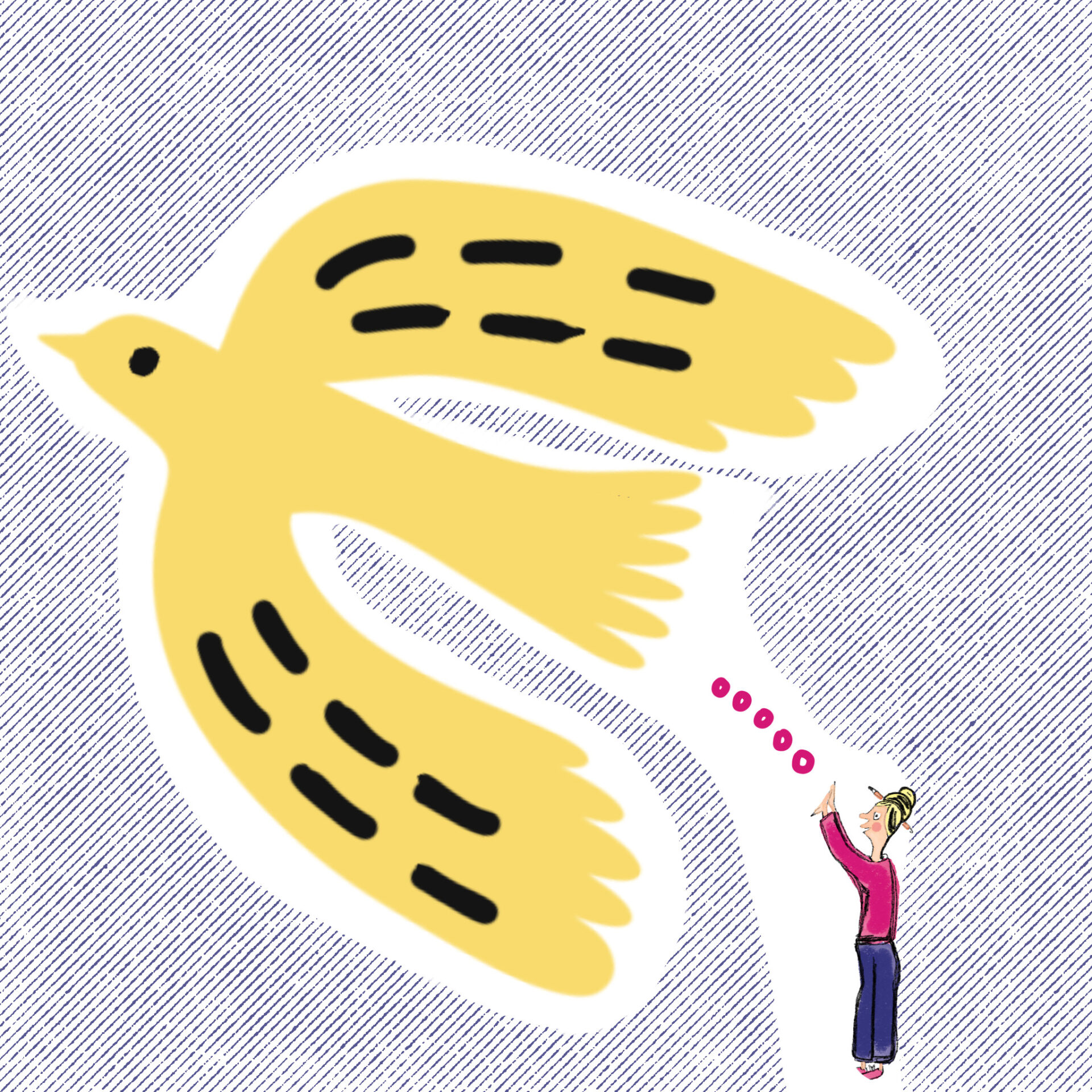
Change scale
Changing scale shifts expected patterns and invites us to consider the same work a whole new way.
Zoom obsessively in on one detail.
Use exaggerated gestures (let you whole body be in on the game!), then switch to micro-marks.
Write one sentence ten different ways and ten different sizes.
Compress a long idea into six words.
Expand a single word into a full page.

Delay meaning as long as possible
I know, counterintuitive right? Surely we need to know where things are going and what things mean?!
Attaching meaning to an experience pulls you out of divergent thinking (the type we’re interested in within the imaginative phase) and into convergent thinking, which is not what we want in this particular movement.
As the people on the fancy podcasts say, understanding “closes the loop” on our thoughts, and marks the end of exploration.
Accessing imagination means staying in that open field space for as long as possible. If we can hold our nerve beyond the usual amount of time, we move beyond the obvious connections and understandings and into the Land of Never Before, the place where new and fresh ideas are free to find us.
Some ways to play with this on purpose include…
Working without naming what you’re making.
Banning interpretation or explanation of what you’re doing until you finished exploring and playing.
Letting something remain incoherent on purpose, and see what you take from it the next day.
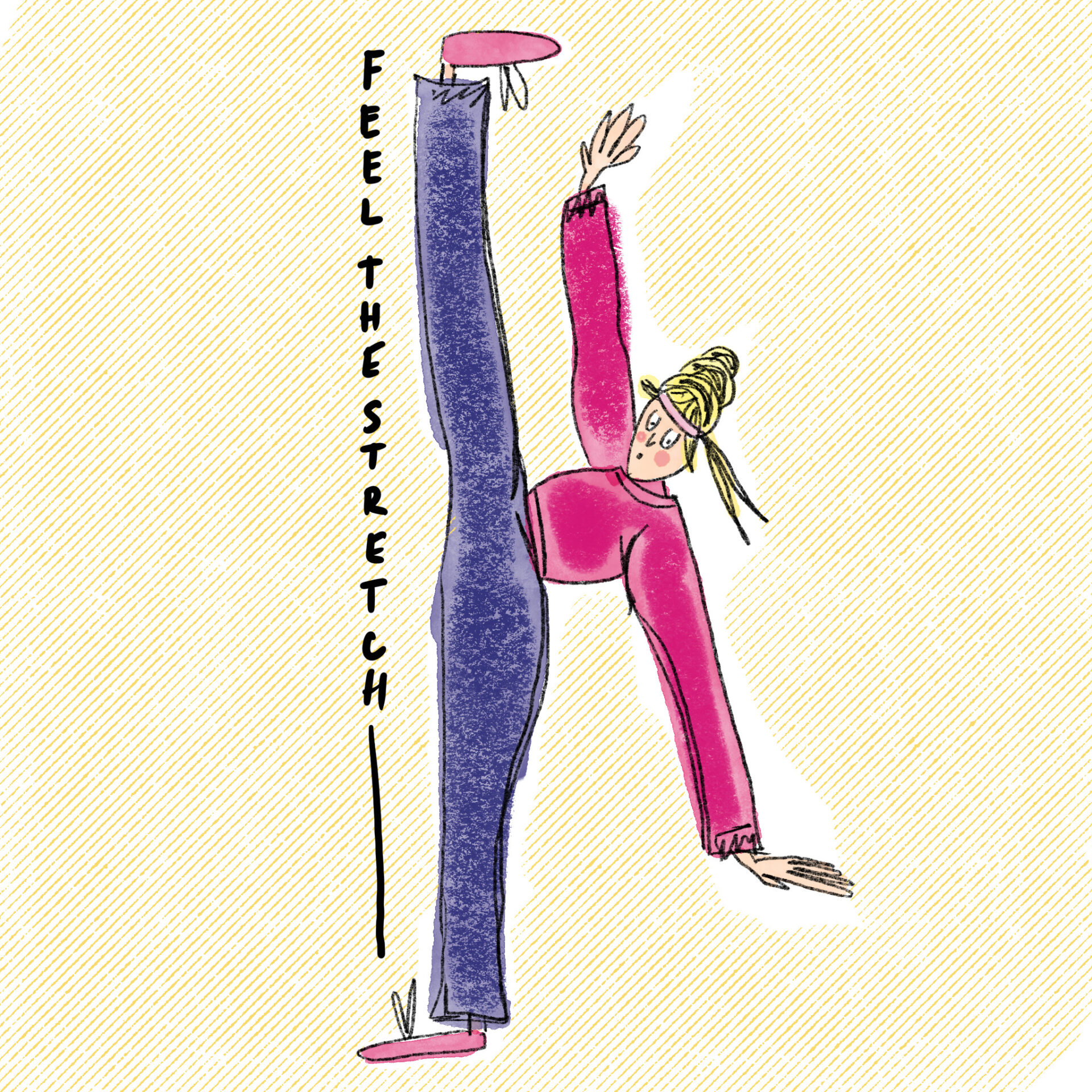
Let discomfort be informational not directive
Discomfort doesn’t always mean that something’s wrong. It’s more often than not a signal we’re at the edges of our current artistic zone and about to move into something different. Treating discomfort as information rather than instruction helps keeps curiosity online.
Lately, I’ve been switching formats as a way to keep in the flow of what I’m doing without leaving the building (literally and metaphorically).
If I’m writing and get stuck or I’m not sure where an idea is heading, I’ll stay with the experience but switch to drawing or doodling. I keep my hand moving in a different way, let my thoughts move to a different space until I’m ready to return to the original plan.

The same is true for drawing, but in the reverse. If I’m unsure where to go, I’ll sit and write for a while.
Staying on task but mixing up the mediums is really helpful for letting the ideas and understandings roll around the whitewash of your brain so you can stay available to what wants to come next without pushing or forcing things too hard.
I’d love to hear your thoughts.
What do you do to help your creative flow? Any fabulous tips or tools to share?
Happy creating!
xx Jane
A thing you might be interested in ✏️
I have a rather fabulous membership called Creating Wild and I say it’s fabulous people of the people in it- they really are fabulous.
We have a workshop every couple of week’s and the one coming up this weekend is called Creative Windows: Building the capacity to stay.
Here’s the blurb for you:
Why does creating feel possible one moment and unbearable the next? In this session, we’ll explore the emotional and nervous-system conditions that shape our creative availability.
We’ll look at how fear, guilt, perfectionism, and urgency show up in the body, and how to work with them rather than pushing past them. Through body-based practices and reframes, we focused on increasing creative capacity: learning how to stay present, soften resistance, and progress in our creative projects.
If you want to peruse the goodness or come join us, you can do that here. I’d love to have you join us 💛