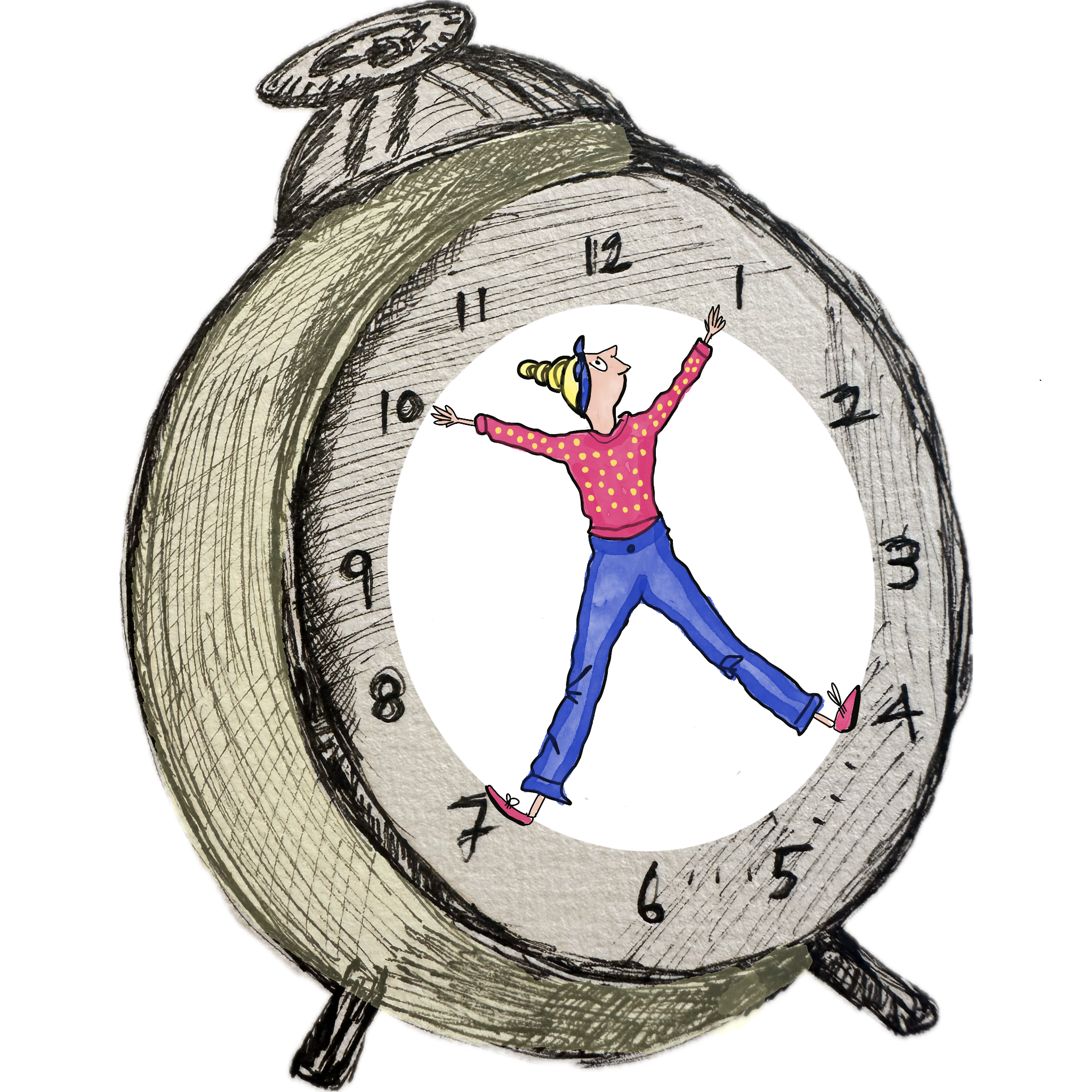
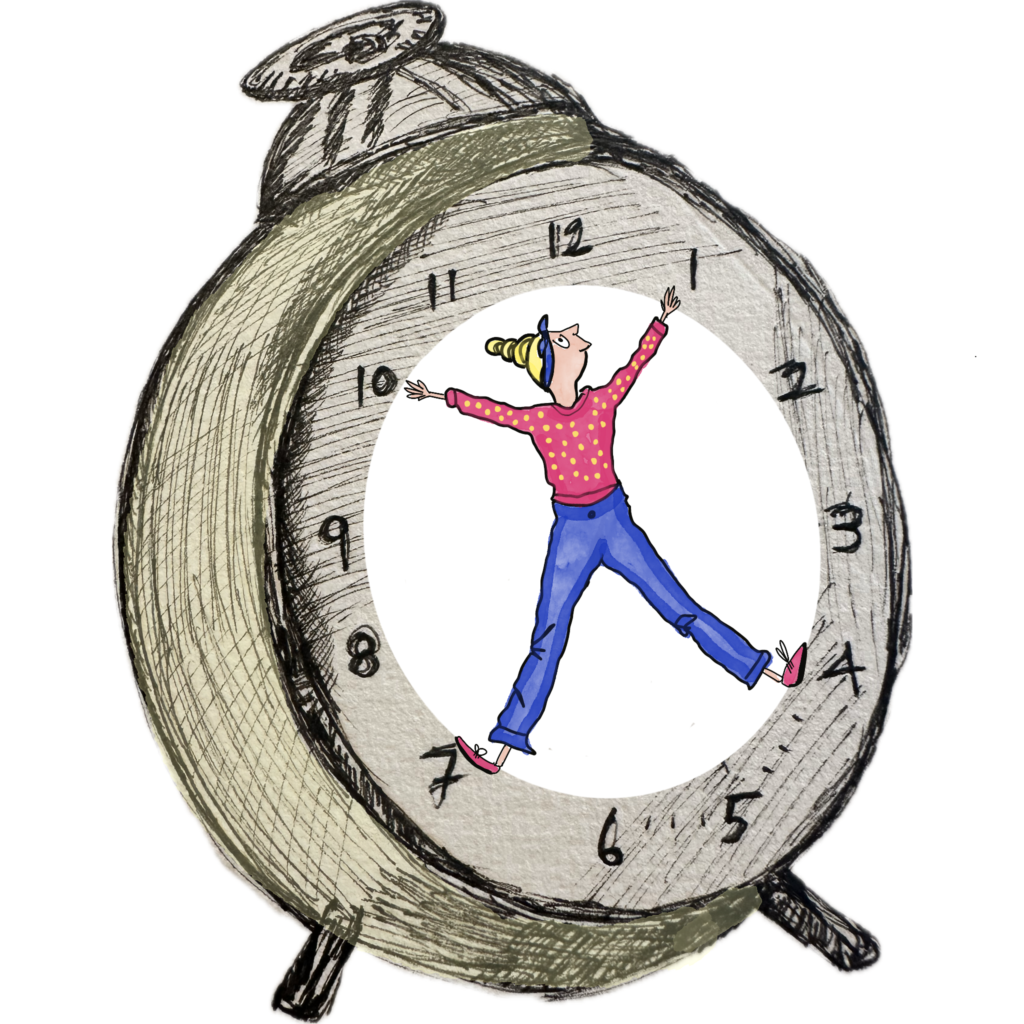
I listened to an interview recently where the interviewee was asked, if you had an hour every day to create, how would you design it?
I loved this, so I asked it of myself. And then, I asked it of the people that I work with. And whilst you might be thinking, an hour a day! The luxury! The glory! …an enthusiastic gallop towards such creative windows is not always the response that you will get.
After all, there’s a whole landscape of a life to consider before we arrive at such hours in our day. And weirdly and perplexingly, ‘time available to create’ does not necessarily equal ‘time used to create’. As it turns out, they aren’t the same thing at all.
What follows is for those of us who have the time- even if we’re talking minutes and not hours- but for whatever reason, find ourselves not using it the way that we intend to or would like.
And for those of us like me: who have children and work and caregiving roles which assume a constancy of interruption. Lately, for my mindset to be at all useful to my creative endeavours, I’ve had to rally against the rules of “deep work”- You need 90 minutes! Even one distraction will take you 20 mins to recover from!- because if I waited for those types of circumstances to be available to me, I would be getting nothing done. I mean, I’ve been interrupted twice before I got to the end of this sentence.
Which makes me curious about questions such as these:
What makes us able to access our creative minds as easefully and swiftly as possible, perhaps even on cue?
What expedites the transition out of ‘the everyday’ and into ‘creative work’?
How do we become creative ninjas, grabbing hold of those moments for all we are worth and riding that unicorn across the landscape of our most glistening creative intentions?
It seems to get to the place where we can sink into our creative time, we need to look at the many and varied reasons we argue against it. All the things that are truly getting in the way.
I’ll start with three of the top creative suspects.
Scenario One: You have time, but you fritter it away
This one is exactly what it says on the box. Perhaps you have the intentions to create, but when the time comes you end up scrolling / cleaning / organizing and basically doing anything but the thing you intended to do. Which then creates this wonderful loop of not only not doing the thing that you really wanted to do but feeling really crap about not doing the thing that you wanted to do.
If this is a pattern that’s consistent, you’ll find yourself left with prime fodder for an existential crisis about whether you’ve been kidding yourself that you are actually a creative person at all.
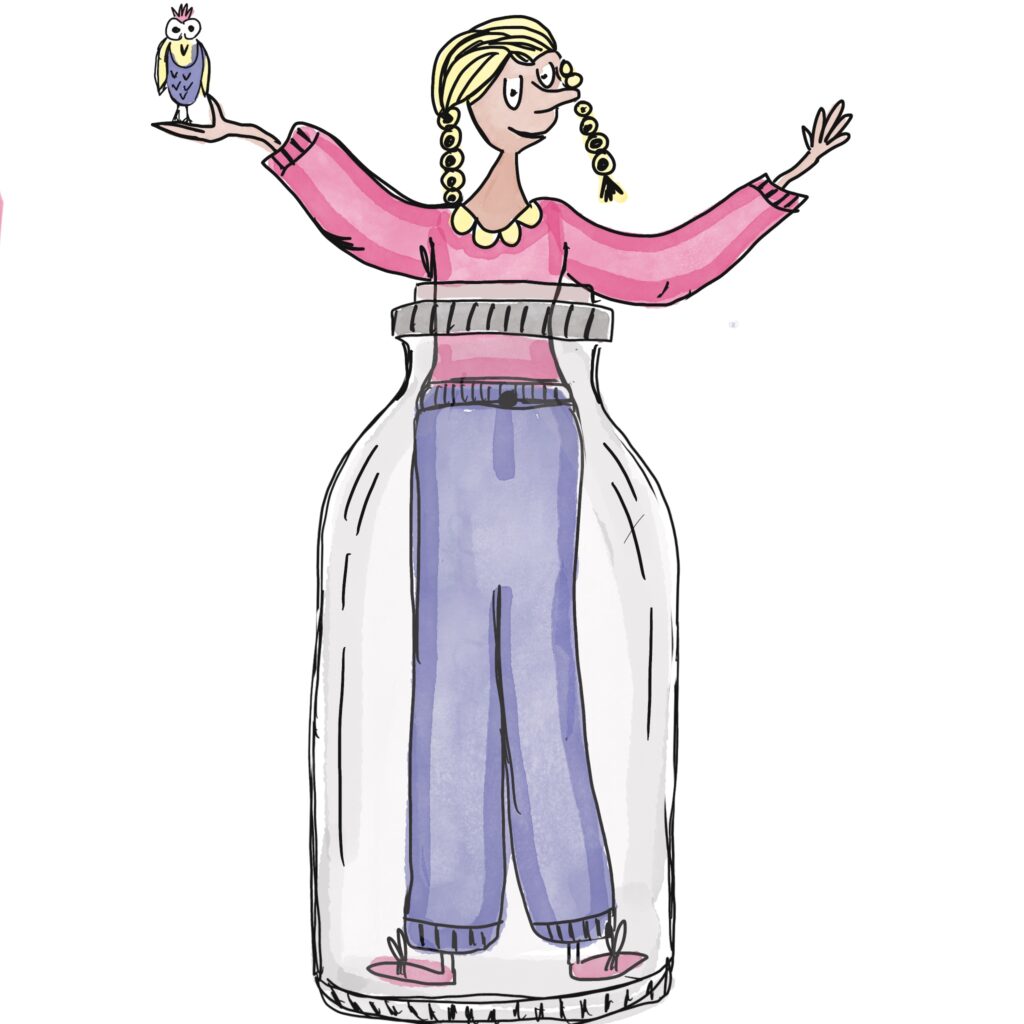
Scenario Two: You feel physically blocked, and it stops you doing your work
We aren’t speaking metaphorically here. In these instances, there’s something that comes up in your physical body that feels so restrictive and controlling that it stops you doing whatever it is you want to do. In my experience, having had many conversations about the bodily experience of creating, whenever someone describes it as an actual physical block (as opposed to a different feeling or sensation) it’s almost always perfectionism we’re dealing with.
Scenario Three: You’re caught in a permission leak or responsibility crisis
You really, really want to create. Like really, really. But it feels like there are more important things that you should do. Which is usually involved to doing something for someone else. Or something mundane, like housework. That on some level, for some unknown reason known to the entire spectrum of humanity except apparently you in that moment, feel like they’re more important. They’re not of course, but in this moment the idea of giving yourself time to create feels like a selfish thing to do.
So bearing all these in mind, what’s the prescription?
If I were Dr Creative, what’s the plan I would design for you to pull you out of your creative conundrum and help you manifest your creative dreams, or at least tinker away at them for the minutes or the hours that you have?
I’m so glad you asked!
✏️ Meet Yourself Where You’re At
Here’s the thing: You have to find a way in. You have to find a beginning point that meets you where you’re at so you can lead yourself into the creative experience that you want to have.
This doesn’t mean that you have to veer off track from the work that you intend or want to do, but what you’re looking for is a portal that allows you to alchemize the energy and direct it into something more creatively useful, so you can take advantage of the time that you have. And what that requires is a balancing of forces.
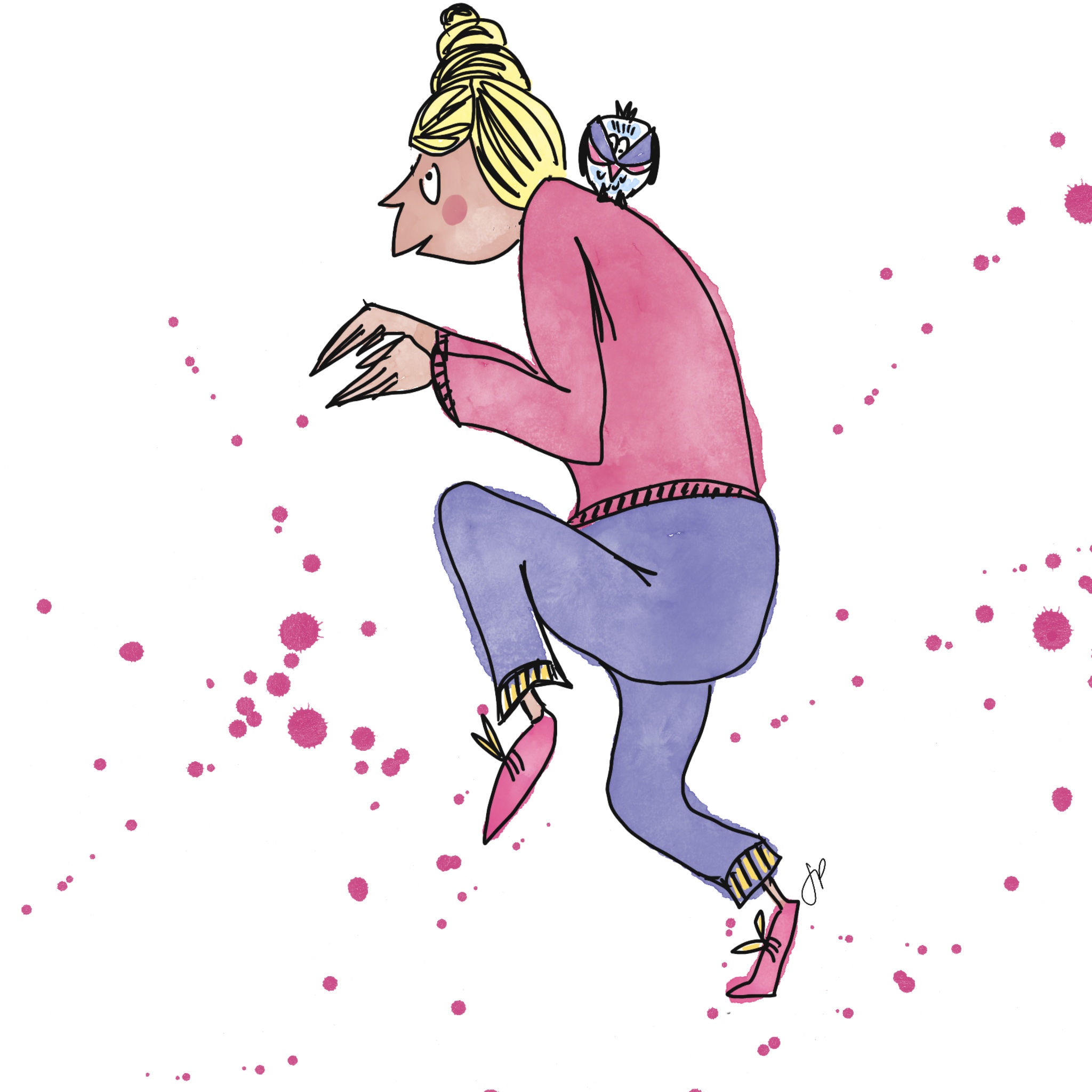
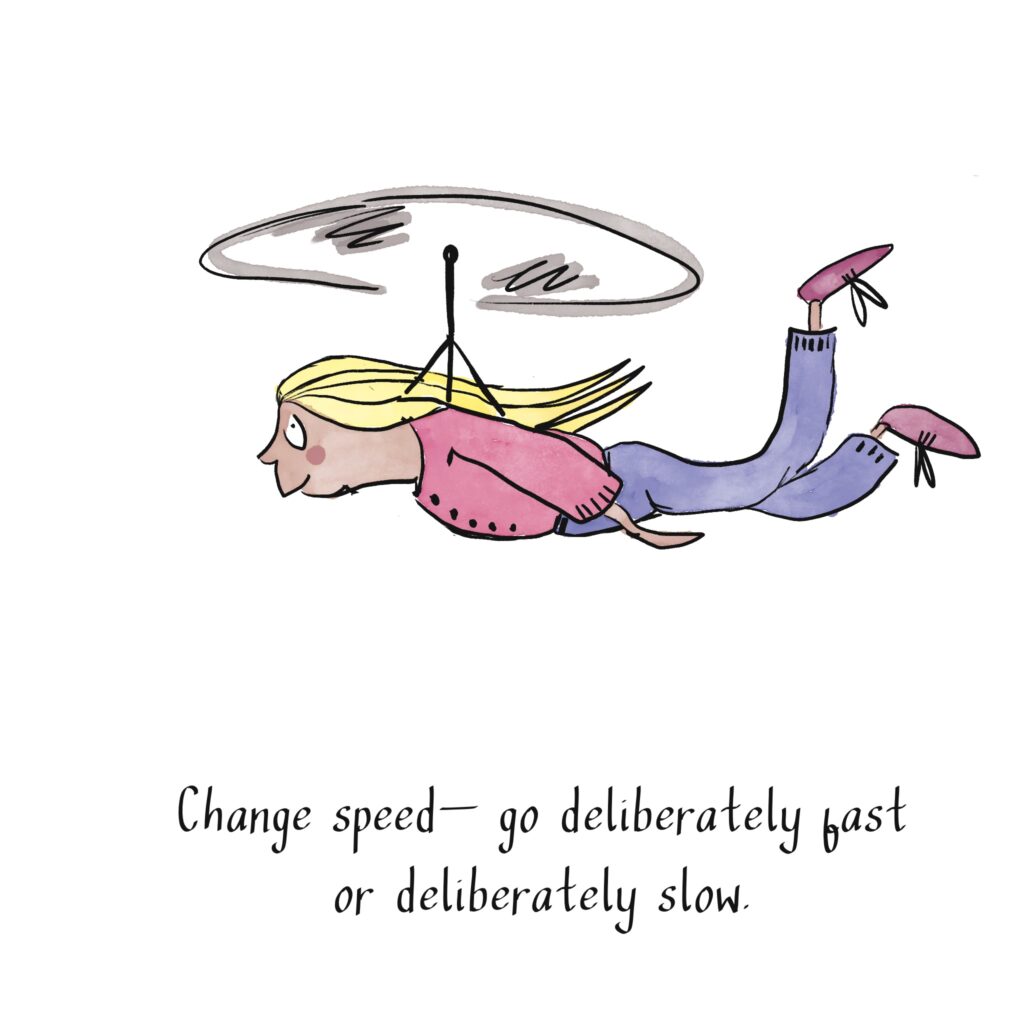
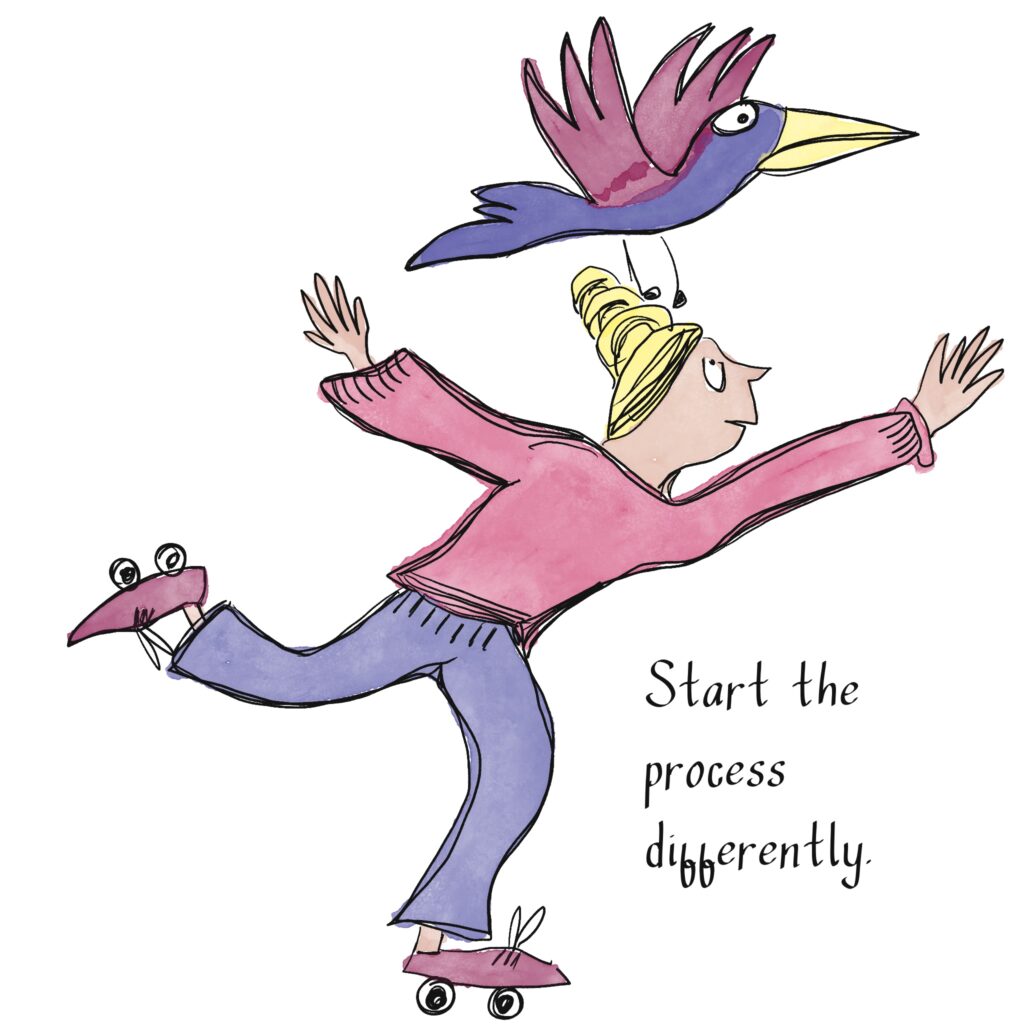
Let’s say you arrive to your hour, zingey and frazzled and perhaps a little anxious. That there is energy that really needs to move. You might shake up and down for a minute on the spot, and then allow yourself to walk and pace, speaking your words out loud if you have to (you can even voice record them). Don’t deny your experience; just meet it. And then seduce it in something that is more conducive to what you are trying to create.
Drawing spirals or blind contour drawing is great for this. Start by drawing a big, fast, crazy spiral and then as you wind in (or out) start to slow it down. And then speed it up, and slow it down again. Start where you are but play with the energetic experience until you have something more shapeable and workable for what you trying to make.
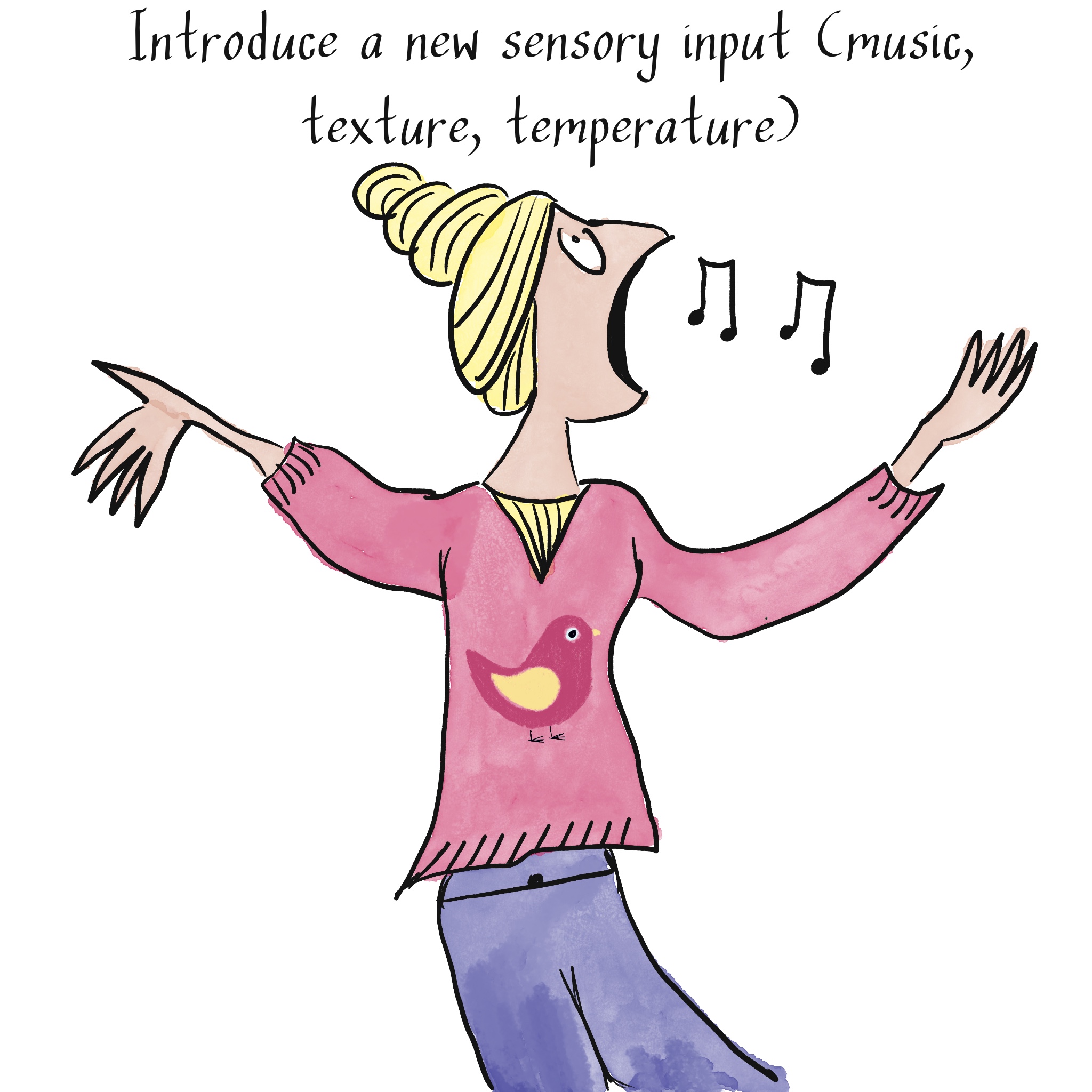
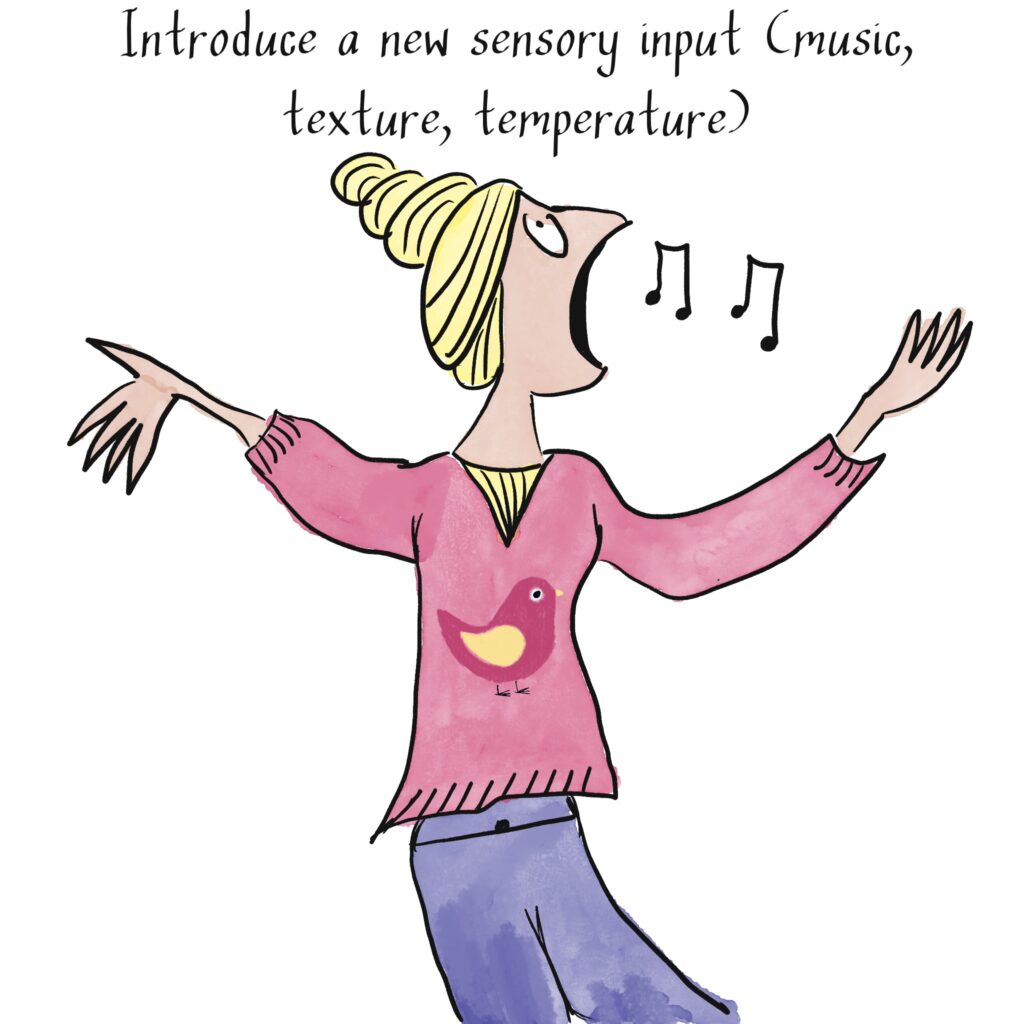
If conversely you feel heavy and stuck, figure out a way to move that energy around. Perhaps you do the reverse of what we just mentioned: start your spirals slow and then speed them up. Give yourself a minute dedicated to slow movements that become more progressively energized. Put on some music and use it to zing your brain cells up.
If you find that you can’t find a way to do what you planned, ask what still is possible?
What piece or part of the creative project you planned to work on suits the state of being you’re currently in?
If things are slow and you feel flat and out of ideas, draw on something you previously made that perhaps needs shaping in a different direction. What’s necessary work for this project that is more methodical, logical or mundane?
You’ll find just by taking action, things naturally start to change.
Which leads us to the next part….
✏️ You have to let yourself be new moment to moment
Don’t presuppose you are going to feel the same way you do now in five minutes time.
You have to allow yourself to be different. Emotions and feelings are mecurial. They flux and change, ebb and flow. Even if your start point doesn’t feel that great, there’s no need to assume your middle point or your end point will be anywhere near the same, provided you give yourself the permission to be different.
💛 If the resistance is physical…
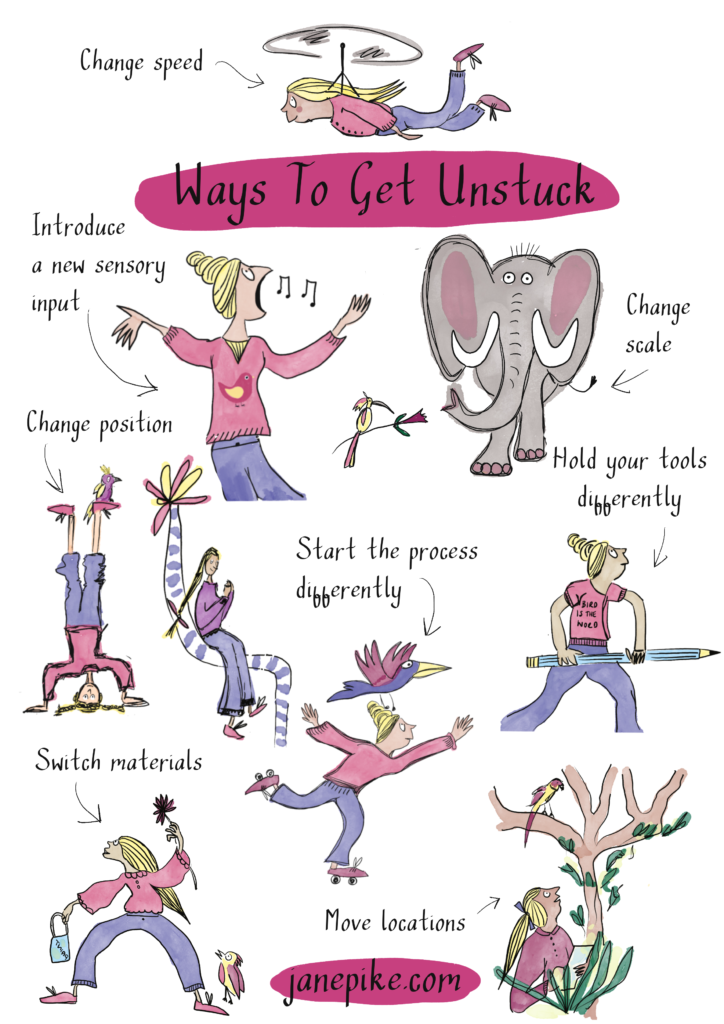
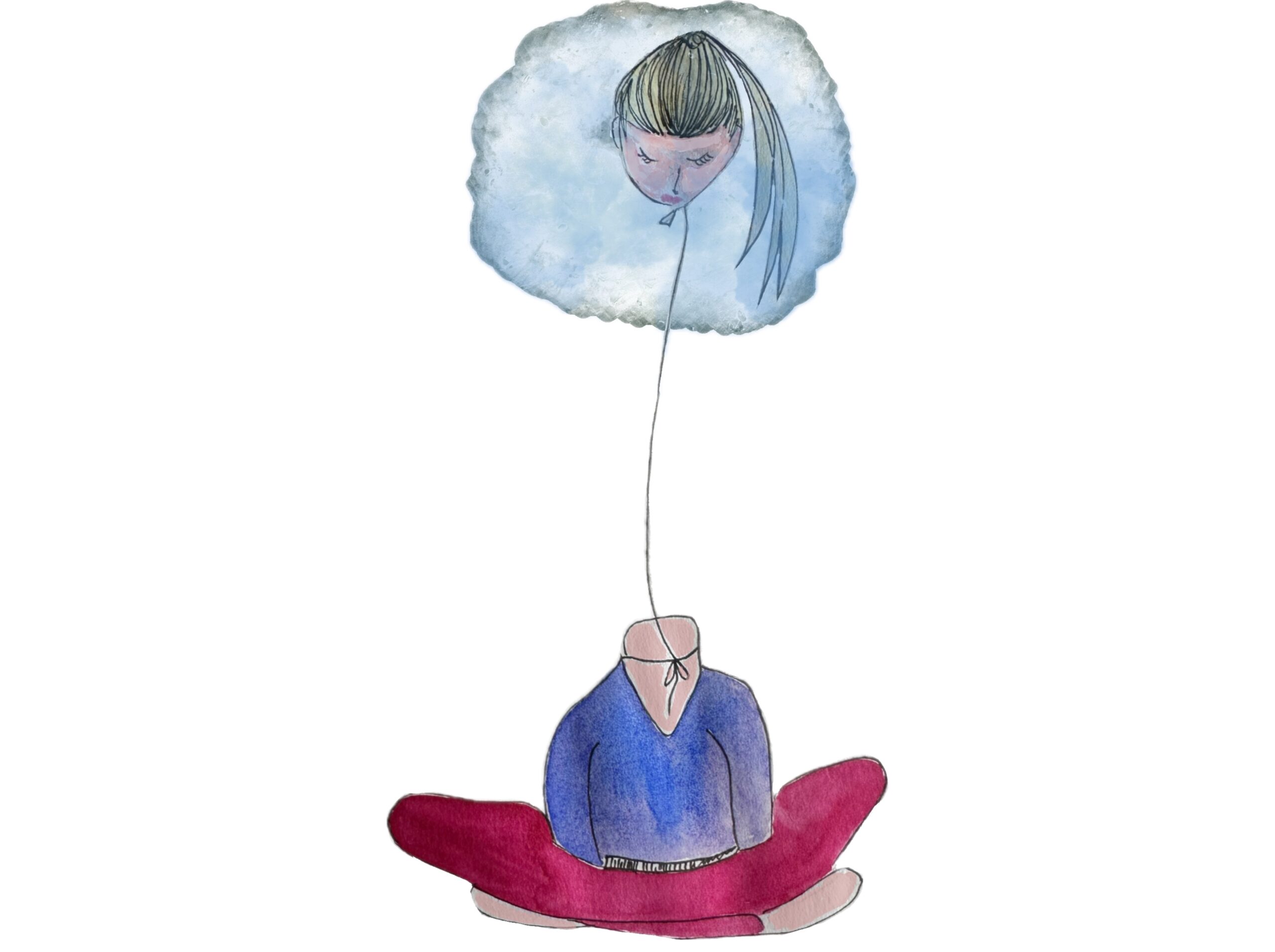
Let yourself be disembodied. Pull yourself apart and put yourself back together by finding a new arrangement.
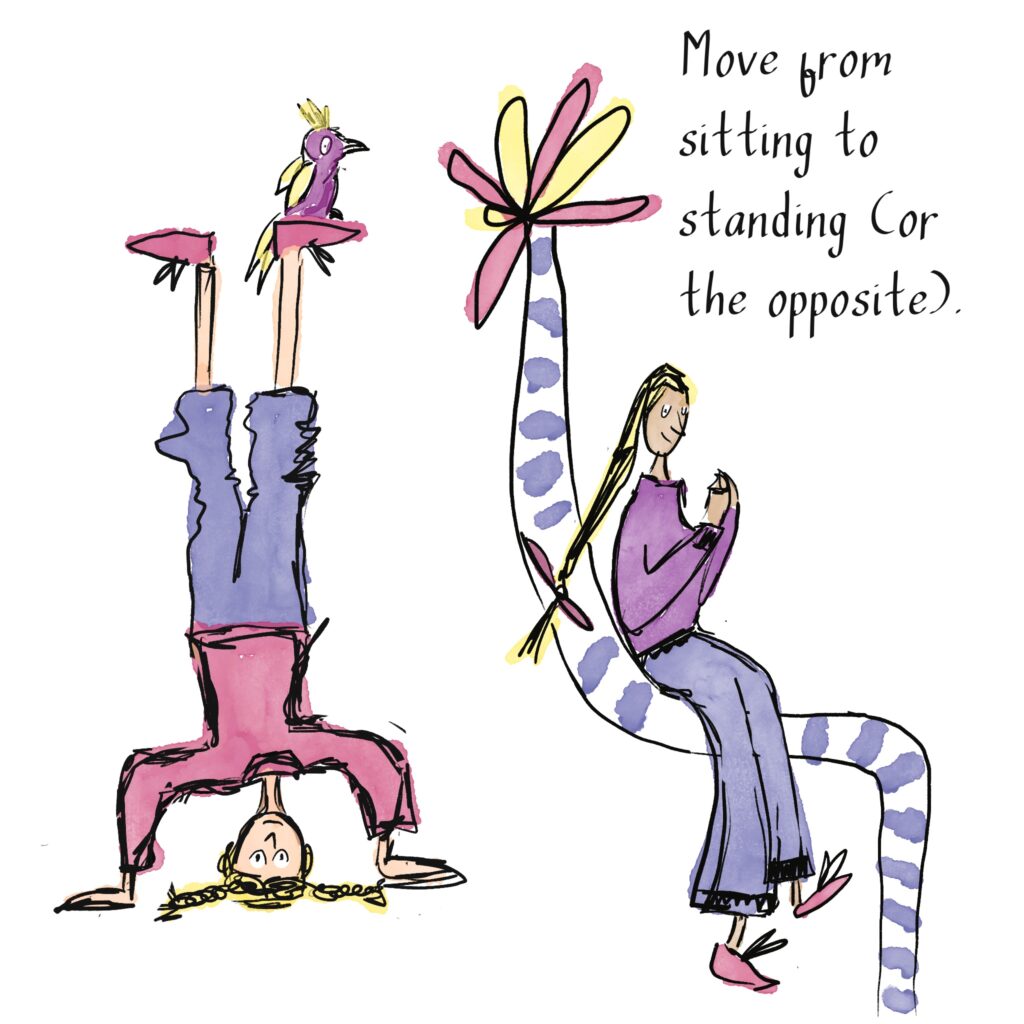
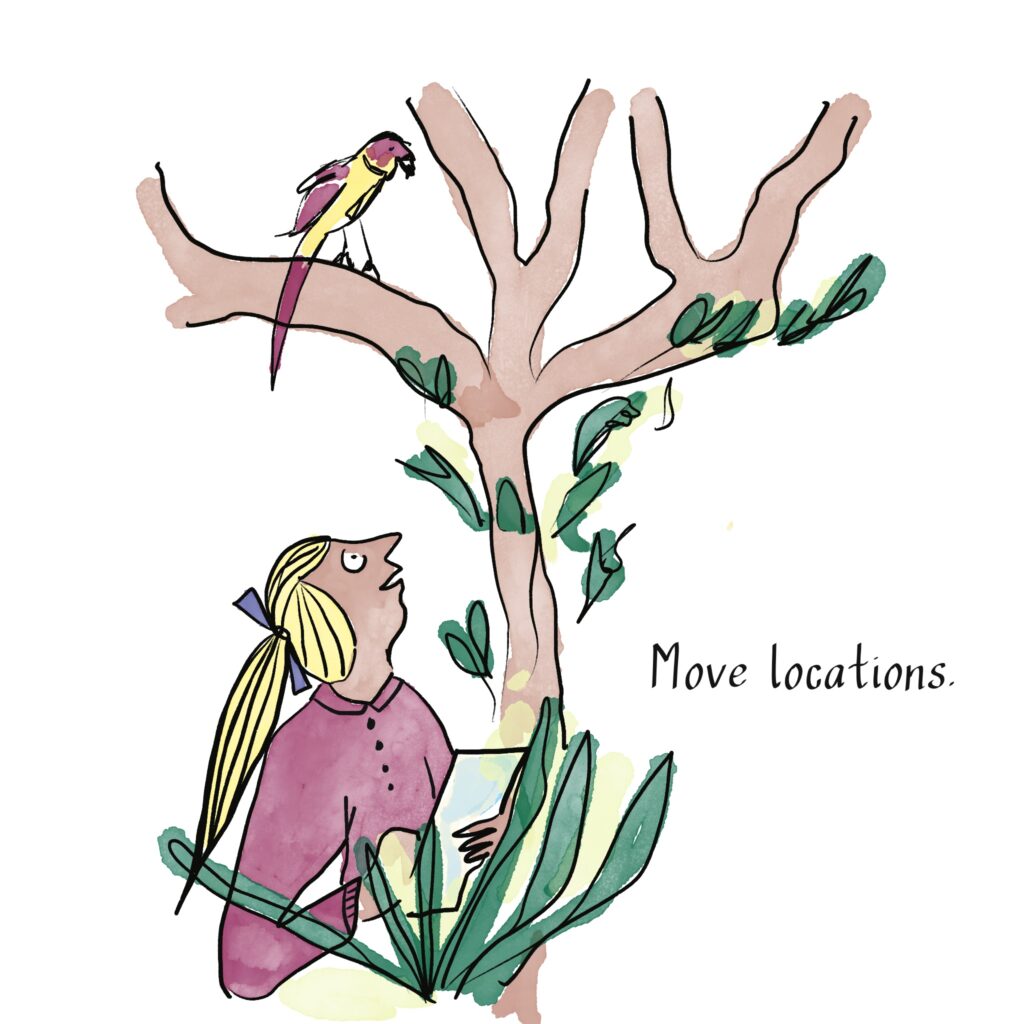
Work on the floor. Work standing up. Work and speak out loud. Work while you’re walking (this one actually is genius- it’s so hard to write or draw or whatever while walking, you’ll find the contrast makes it feel easy when you return to sitting down).
💛 If the resistance is mental…
Act in support of what you want to come to life. You can’t think your way into creative action: you have to do it.
The annoying truth is that you’re unlikely to find the answer you are looking for in the same part of your brain that’s causing the problem. You have to lead yourself to a different brain space- literally and metaphorically- by changing things up.
Interrogate what you find hard and remove what isn’t necessary. Reduce the friction where you can.
💛 If the resistance is mysterious and perplexing…
Do something you know the answer to as a start point. To build confidence, begin with something you already know.
Write the answer to a question you’ve asked yourself that you’re clear about. Draw the thing you are most practiced in drawing. Start with the familiar and let it lead you progressively towards the things that are more unknown.
And perhaps the most important:
🤸♀️ Commit to your own creative joy
Work from the assumption that your creativity likes you, that this work that you are doing is work that’s itching and excited to be made. Understand your role is to uncover the adventure.
I read something from a famous author recently who mentioned that their process of writing was full of self-loathing. They offered this as a declarative statement, as though it were an inevitable truth, and it was widely supported by commenters as though it were the most normal thing, this depressive and sludge filled pond that is the creative process.
I whole heartedly reject this, and what’s more I believe I have a world view that supports me in doing so. Here’s a snapshot for you now:
Creativity, I believe, is part of the gift economy. What are inspiration and ideas if not gifts, bestowed on us by forces untamable and untouchable?
And in the presence of that gift, I get to ask:
What is my responsibility to these ideas, to this creating? What is my offering back?
For any ecosystem to thrive- and creating is an ecosystem like any other- we rely on mutual flourishing. We rely on each other to do well in order that we are free to contribute to the creative compost pool from where ideas and inspiration are drawn.
My suffering and certainly my self-loathing, does not benefit this cycle in any way. In fact, beyond it being harmful, it’s nonsensical. It does nothing to contribute to the community or ecology of creative upliftment.
It’s one thing for creating to be hard, but hard-ness and joy are not mutually exclusive. Just like hard-ness and suffering are not intrinsically coupled together. When it comes to creativity, how we approach it is our choice.
Because creativity is the gift. And our job is to put ourselves in the position where we are free to endlessly accept it.
👉🏻 Now, over to you.
How would you ultimately design an hour dedicated to creating, supposing that were available to you every day?
Happy creating!
xx Jane