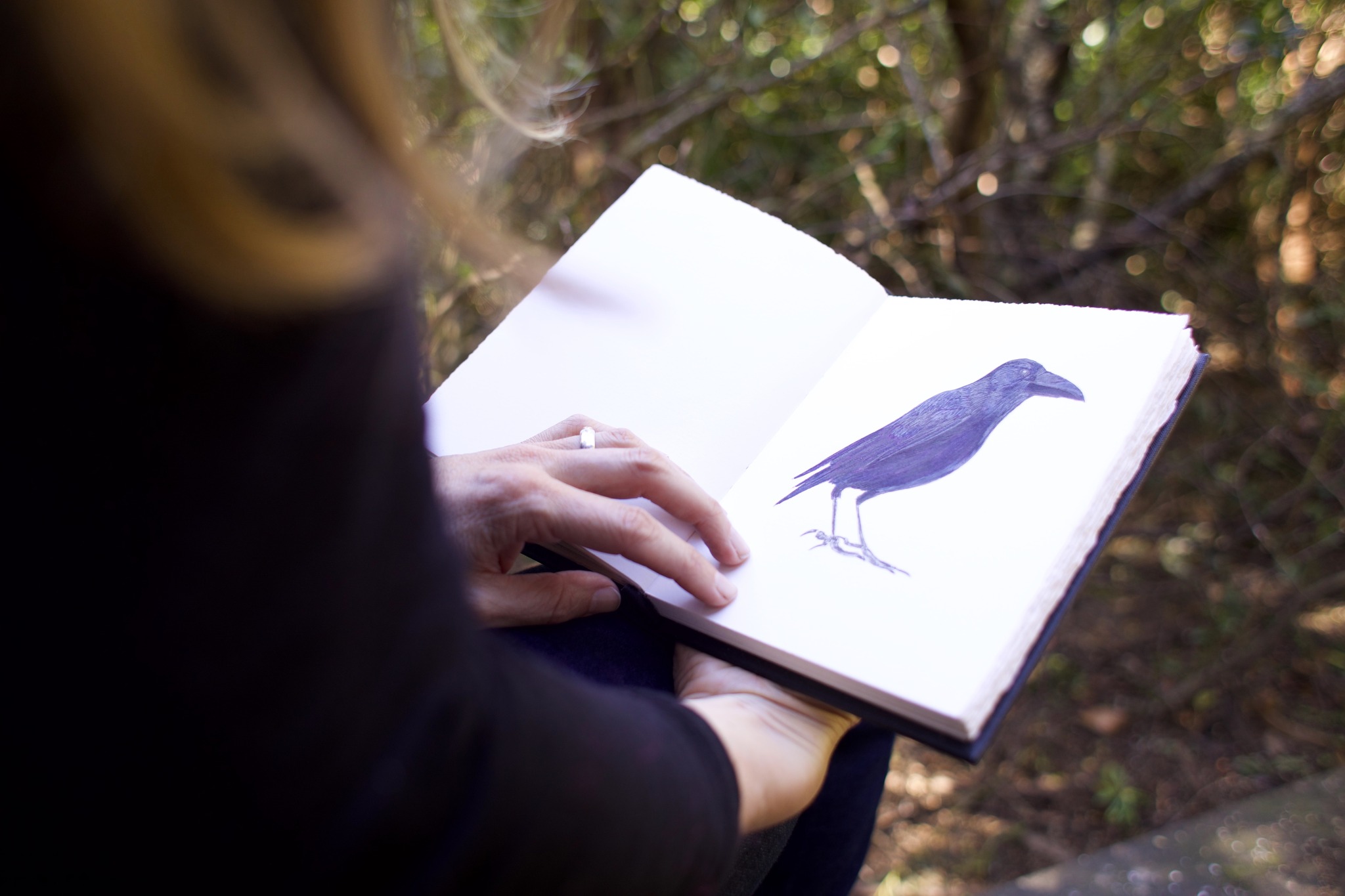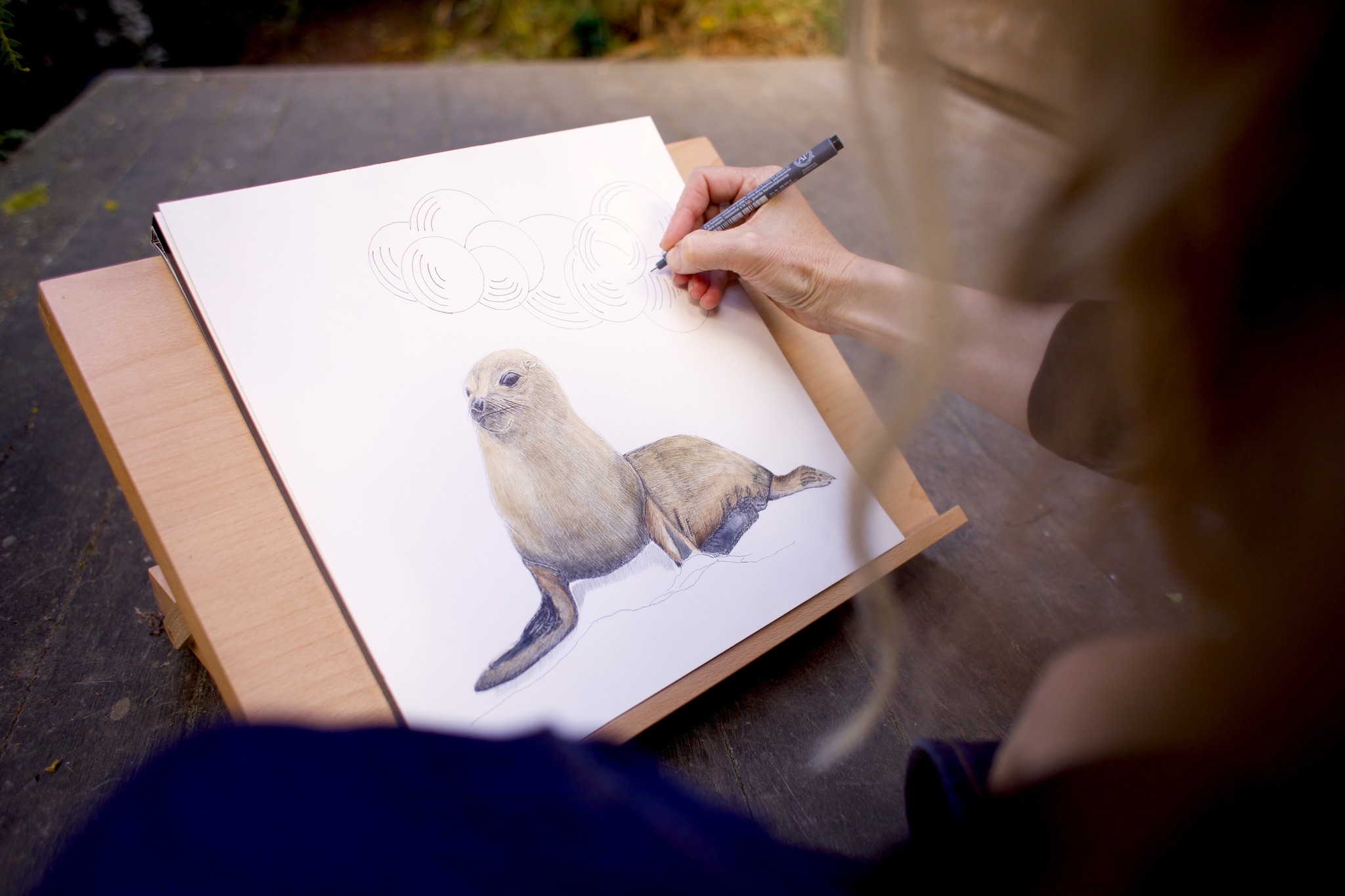
Let me open up the shutters for a moment. You can peak in through the hole. We won’t be here for long (there’s too much to discuss) but then context is always helpful, isn’t it?
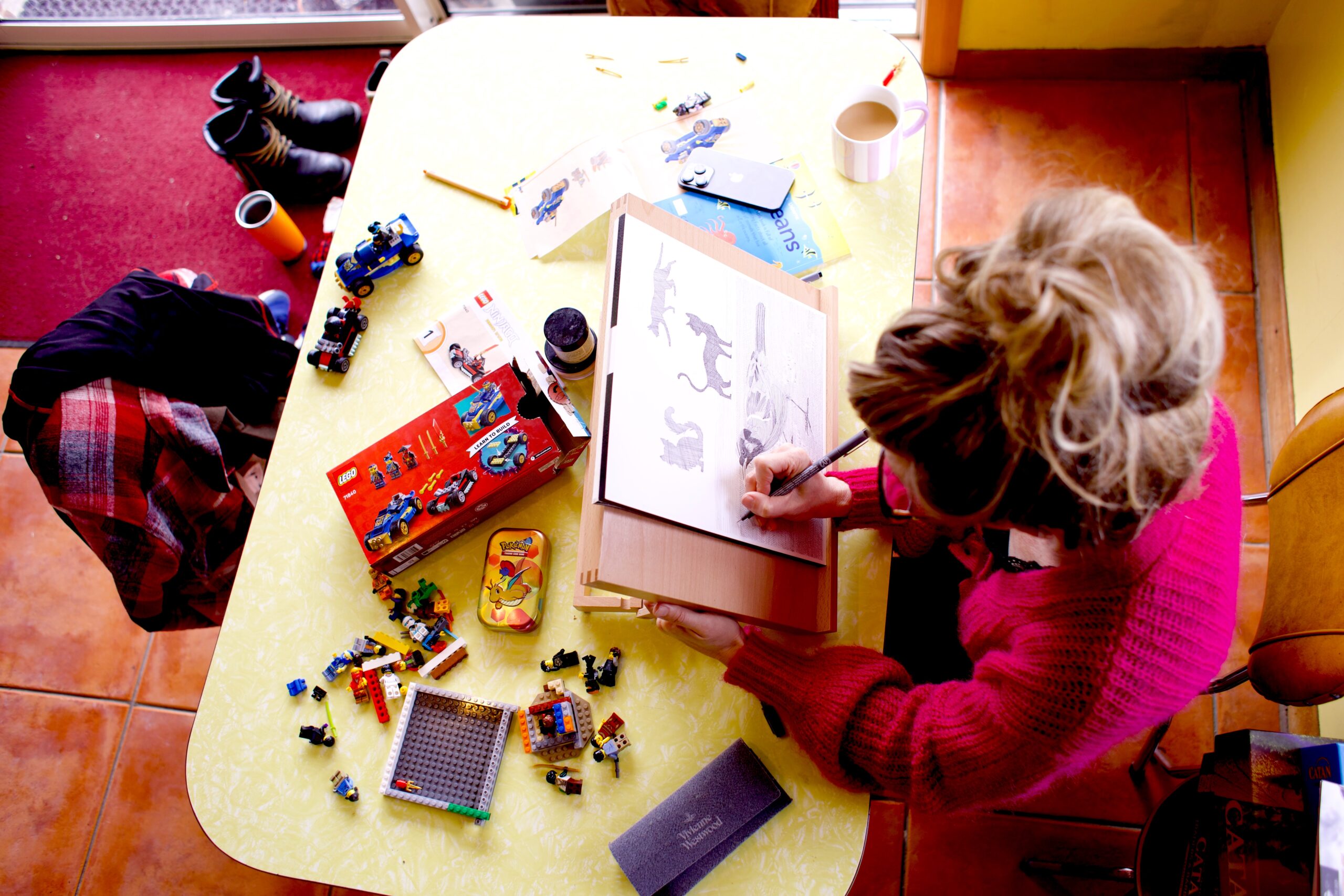
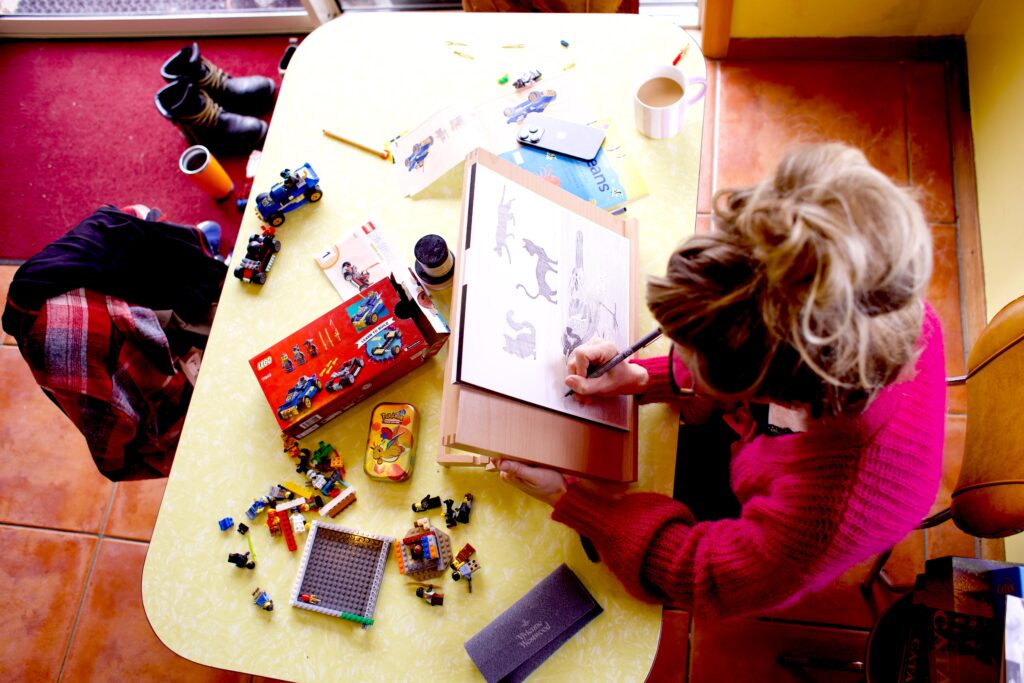
It’s the weekend at my house, and I’m sitting at my yellow kitchen table drawing. I have a new wooden drawing easel that I’m most pleased with (it was only $30, what a score!), light and easy to move around, and you’ll see shortly my husband appear at my left shoulder with a big lens and a camera.
If you’re thinking that this doesn’t look like the appropriate scene for a photo shoot, you would be right. This is a small house filled with small people and most days you would describe is as ‘lovingly shambolic’. Which no doubt fits the scene you’re seeing now.
I’m not always here when I’m making and creating- I have a little garden office also- but sometimes, as it is with small people around, there is no choice. You know, if you want to get things done.
You might be a little far away to hear- it’s also windy today which isn’t helpful- but in case you can’t lip read, my husband just said to me, I’m going to take photos of you whether you like it or not. The sound of clicks and shutters fill the background.
This is not him being creepy; I’ve talked to him about needing more photos for my work, and so here he is just being helpful. You’re no doubt impressed to see me attempt to act all natural, like nothing different here has shifted. It has of course. A body knows when it’s being witnessed. You see my lines slightly change.
The smallest person, with wild and curly hair and a personality to match, who always runs and never walks, now streaks across the room (a pattern you’ll see him repeat many times) and my pen pauses in anticipation of his bump into the table.
‘Please be careful, I implore, gripping the sides of my fancy-to-me-new-drawing board. Sorry, he trills, grabs his toy truck and runs back to the other side of the room.
If you look up, you’ll see my eldest child walk in, reading a magazine and not looking where he’s going. He’s speaking out loud a paragraph about engines and motorbikes and I try to be attentive, whilst also protecting my page from rampaging bodies and posing for a photo that I don’t want to look contrived, all the while having no idea what the words he is saying to me mean.
My husband starts to clear away the most recent explosion; the LEGO, the toy trucks, the books and half eaten sandwiches marooned upon their plate, but I quickly tell him not to.
Maybe this is what we need to see, this creating within a life.
How creating slips in between the cracks.
Or maybe there are no cracks at all. Maybe this is just what living and creating is.
And my life is not a neat one, Lovely Reader. Mine is one that is full and chaotic and busy and imperfect and really rather messy. But words get written and lines get drawn maybe not despite but because of these swirling, sometimes competing forces all around me.
Which is what I thought we could talk about right now.
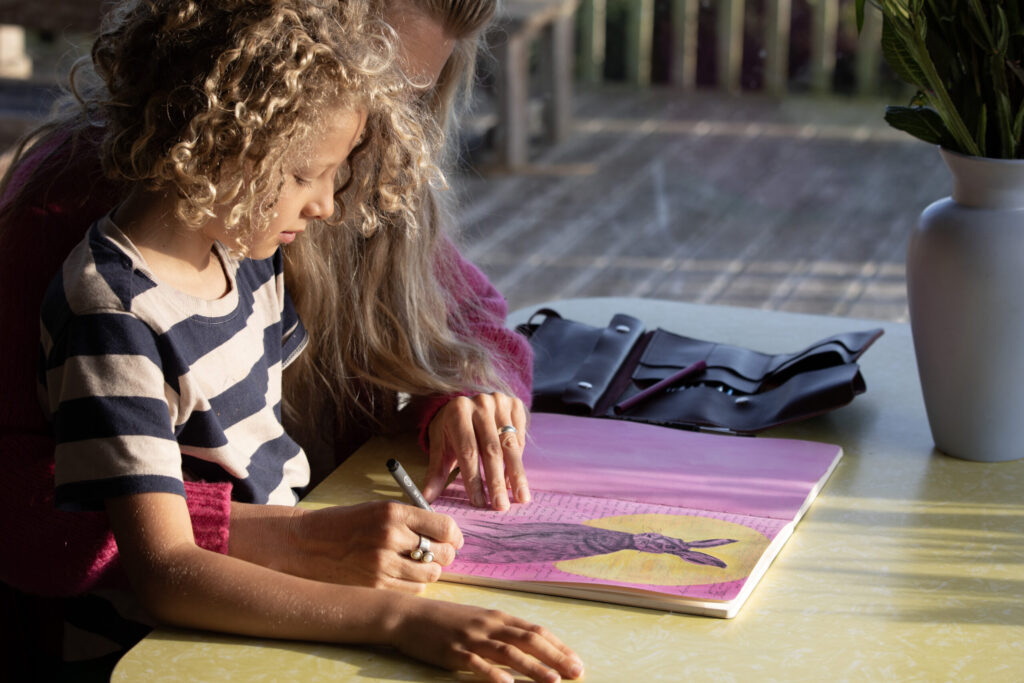
I’ve sat you down across from me at that same table. You have coffee- or tea if you prefer- and I’m looking at you kindly but also sternly. Word has been sent. That you have glitter in your blood. That the air within your body is carbonated with creative possibility that’s not been present for a while. Or in a way that’s not called your attention like this before.
We aren’t here in the spirit of competition. I don’t care if you have children or not, or work full time or not, or caregive or not. Perhaps all of them. Perhaps none of them. I tell you my situation— that I have two children home full time, care give for elderly parents, run a small farm, am the bread winner for my family— only to say:
If it’s time and wondering how to fit everything in you’re concerned about, I understand.
And what I’m concerned about in return is this:
Now you feel this energy coursing round you, sense its presence in between your bones, what are you going to do?
You’ve told me your days are already full. And yet it’s there, this palpable desire.
How to fit a practice of making art within the demands of a life doing its best to convince you that you can’t, shan’t and most definitely, absolutely, don’t have time?
Which leads me back to this stern look I mentioned I was giving. We’re about to have words between us, you and me.
Words about why creating is so important to your life, and why you need to make space for it.
Unless of course, you don’t want to. Which is also fine with me.
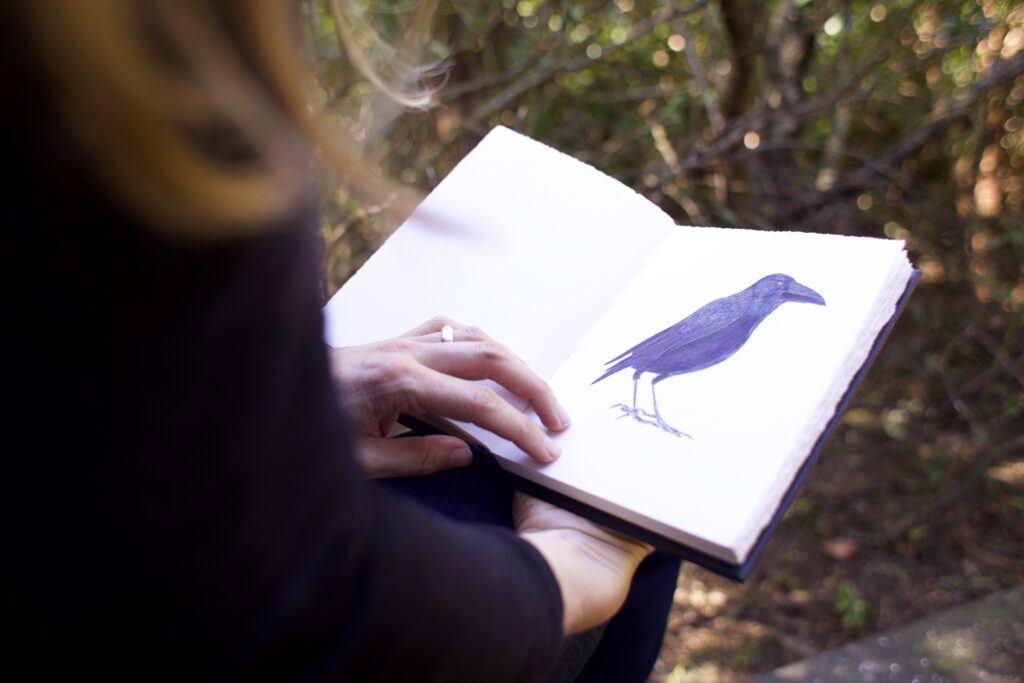
1.
I’m going to tell you something and there are a couple of things that you might feel. The first is relief, and if it’s solely that, don’t read on. Leave and go about your business.
But if you feel relief but also disappointment- that’s your cue to continue on.
So here it is:
You don’t have to do this. You don’t have to have a drawing practice or write the book or begin the newsletter or *insert the thing you think you want to do*. You really don’t.
You’re right that life is full. Potentially, it’s overbrimming. Not doing any of those things does not make you less of a human or somehow inferior if you decide that you don’t want to.
But if you do want to and you still don’t find a way—well, that’s a completely different thing.
Now we have a creative energy that’s barreling at you sideways. Now we have a literal force that’s being asked to be expressed in words or lines or whatever the invited manifestation may be, and my friend, like it or not… that energy has to go somewhere.
To not make use of it is like attempting to plug the Trevi Fountain by placing your foot over the exit hole. Soon you’ll be shot into the air and scattered round the cobblestones of central Rome.
Unused creative energy becomes frustration, becomes anger, becomes resentment. It becomes funky in all the ways its original intention was not. Because it exists within us for a purpose.
If we accept that, then the need for making and creating becomes different.
And we understand we must approach our life differently also.
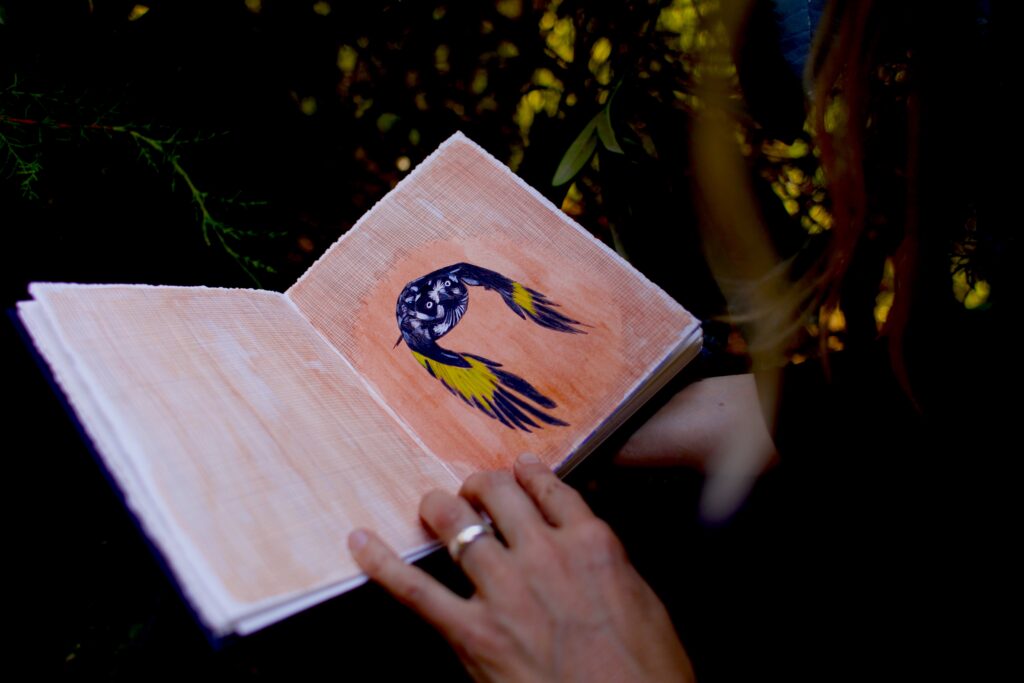
2.
I want to stay with the more abstract side of things for just a minute. At this point I might take another sip of tea. Because I believe getting clear on why you want to do this, why you need to do this is important.
For me, I consider writing and drawing a practice of wellness.
And to be quite blunt: It’s how I stay sane.
I consider that I am gifted with ideas, inspiration and I have a responsibility, in the best possible way, to respond to those creatively in return.
I create in response to:
life moving through me.
to understand myself in relationship to the world.
to wonder how I might better help the things I care about.
Now you might be reading this and thinking, jeez, I just want to draw some cartoon dogs or write a newsletter once a month. Isn’t what you’re saying a bit heavy?
And my reply is: no, it’s not.
Because if we’re talking about creating a practice that sustains. That calls you to show up in spite of the lifey-ness of life, and the squeezes on your time and the things that come up that can make our bones feel both heavy and weak, we need to understand the driving force, the thread, the line that connects us back to the mysterium.
When the world tries to convince you that this desire you have, this curiosity that you want to follow is too much, we must remind ourselves of the truth, which is the opposite:
That to be able to follow our own heart is the whole point.
And even if that means at times we cling on to art and creating and making for all we’re worth, we will cling for just as long as we have to.
Because we know that more than anything this is absolutely worth our time.
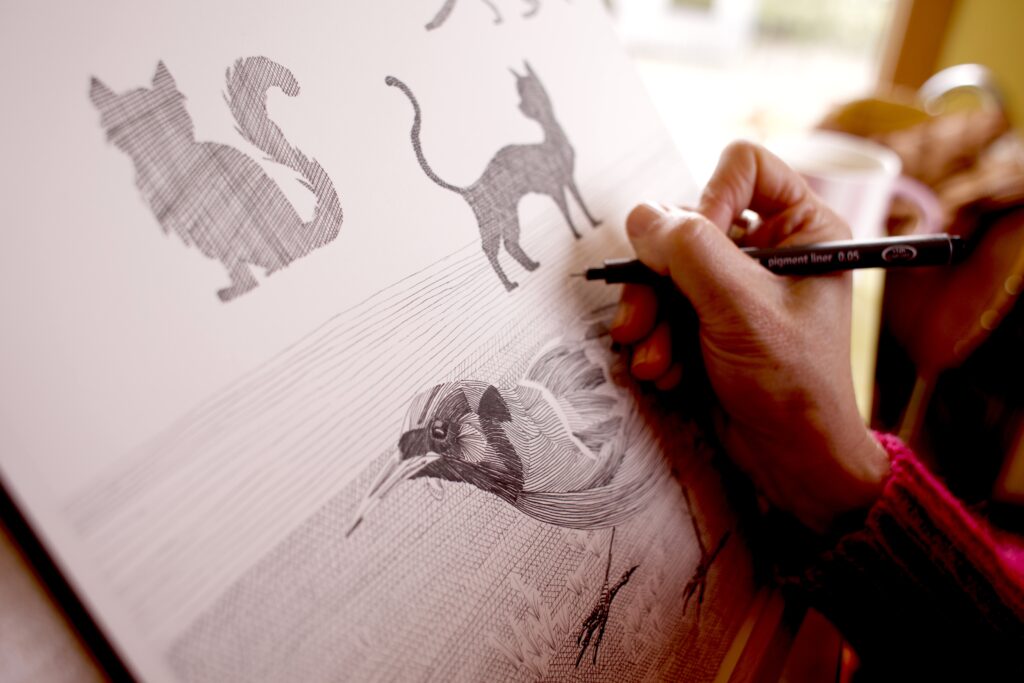
3.
To make time for the things that are important, you must make choices about what you say no to or let slip away.
You are a finite human who is not limitless. I know this sounds depressing but in truth it is freedom, liberation.
You can’t do everything. You will have to say no. And sometimes, the decision to protect the time that you have will disappoint people.
You have to learn to be ok with all these things.
You are sharpening your pencil so you can point accurately towards the things that are important.
But let me tell you a curious thing, about becoming clear on what it is you want to fill your days with:
When I started to make and create as though my life depended on it (side note: I genuinely think it does), I became more productive, not less. Even if this was never the intention.
When I create, I slot back into a relationship with time that sees me moving at a human pace. Where my body, my senses, my heart, my brain can match the speed at which the creation is moving.
Which means I’ve become re-attuned to the situations where I’m not. Where the demands on my attention- of my phone, of the online world, of work that requires me to spit things out faster than my mind can manage it- creates a felt experience of unwellness. Which means I spend less time there. I am less willing to sacrifice myself upon that altar.
And as a result, I spend less time on the things that pull me into a tech wasteland vortex. I’m just not willing.
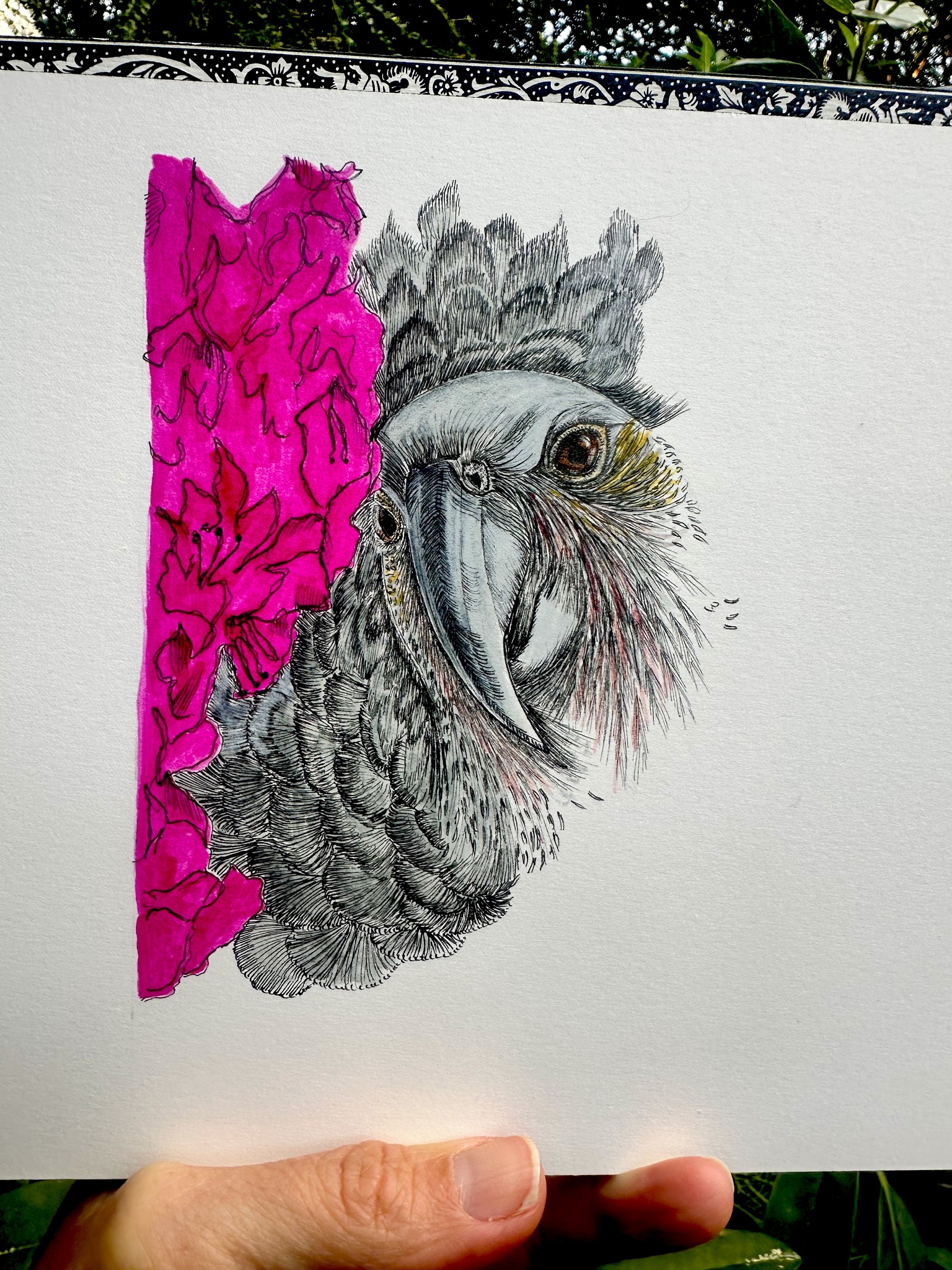
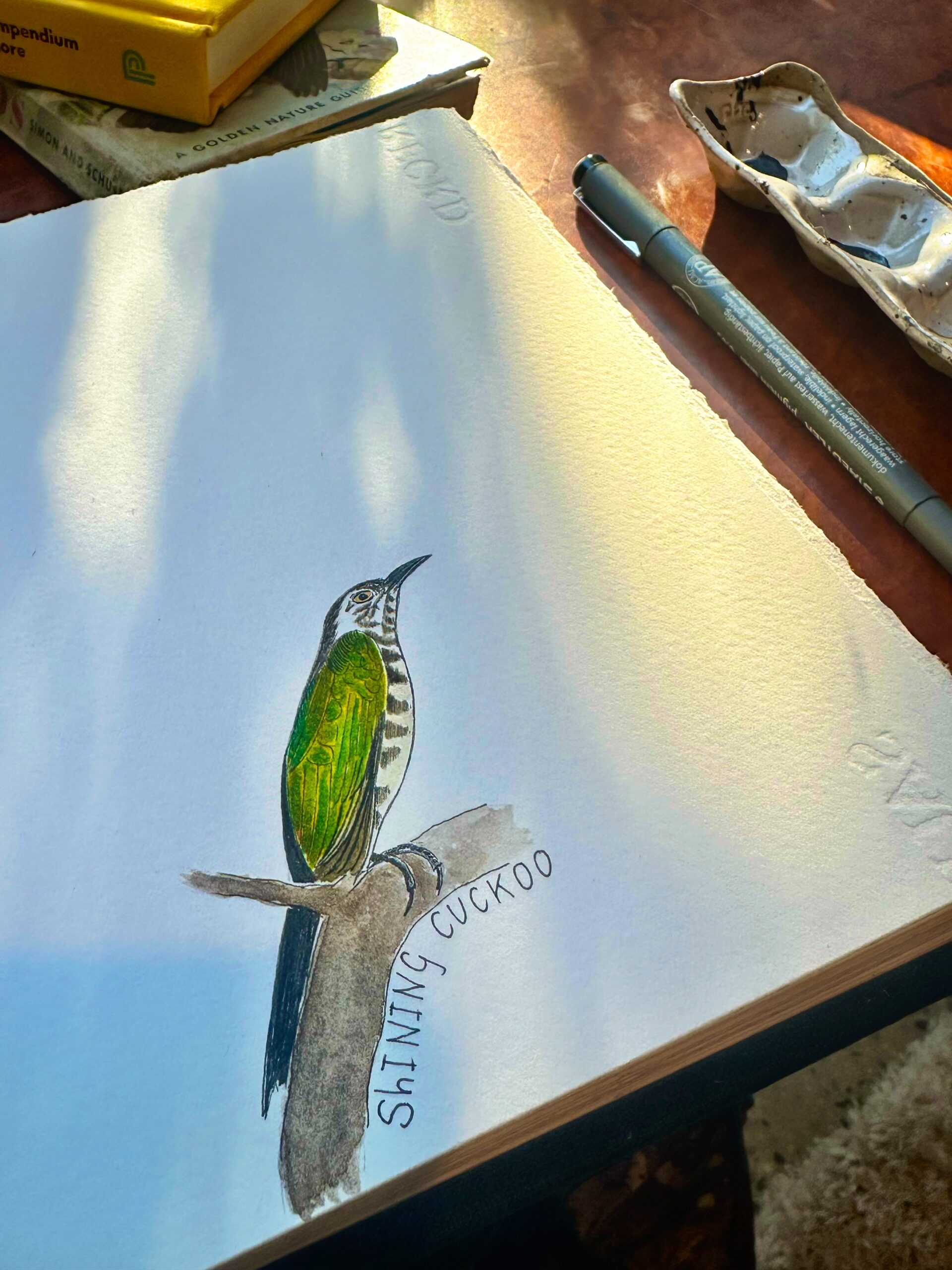
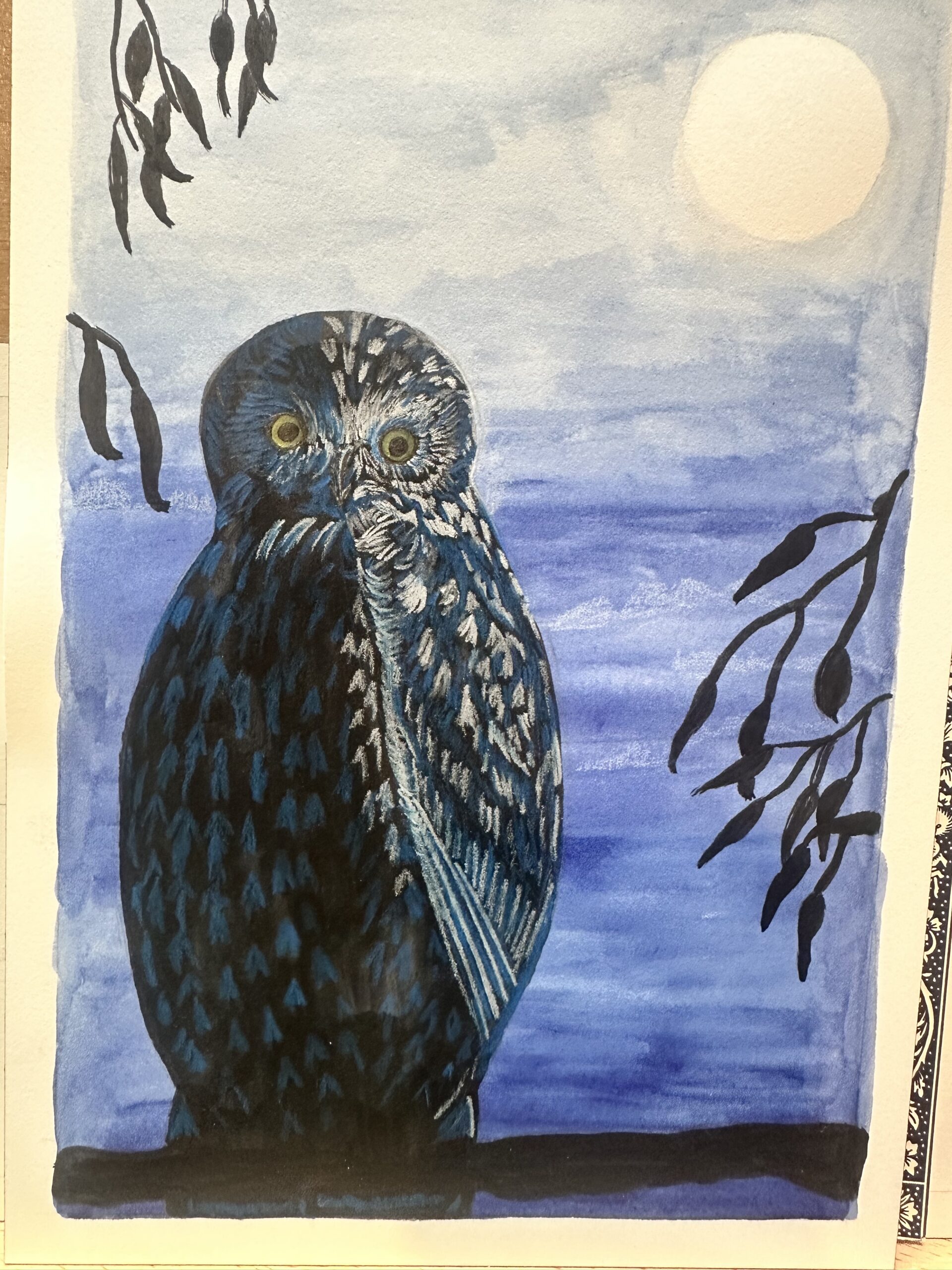
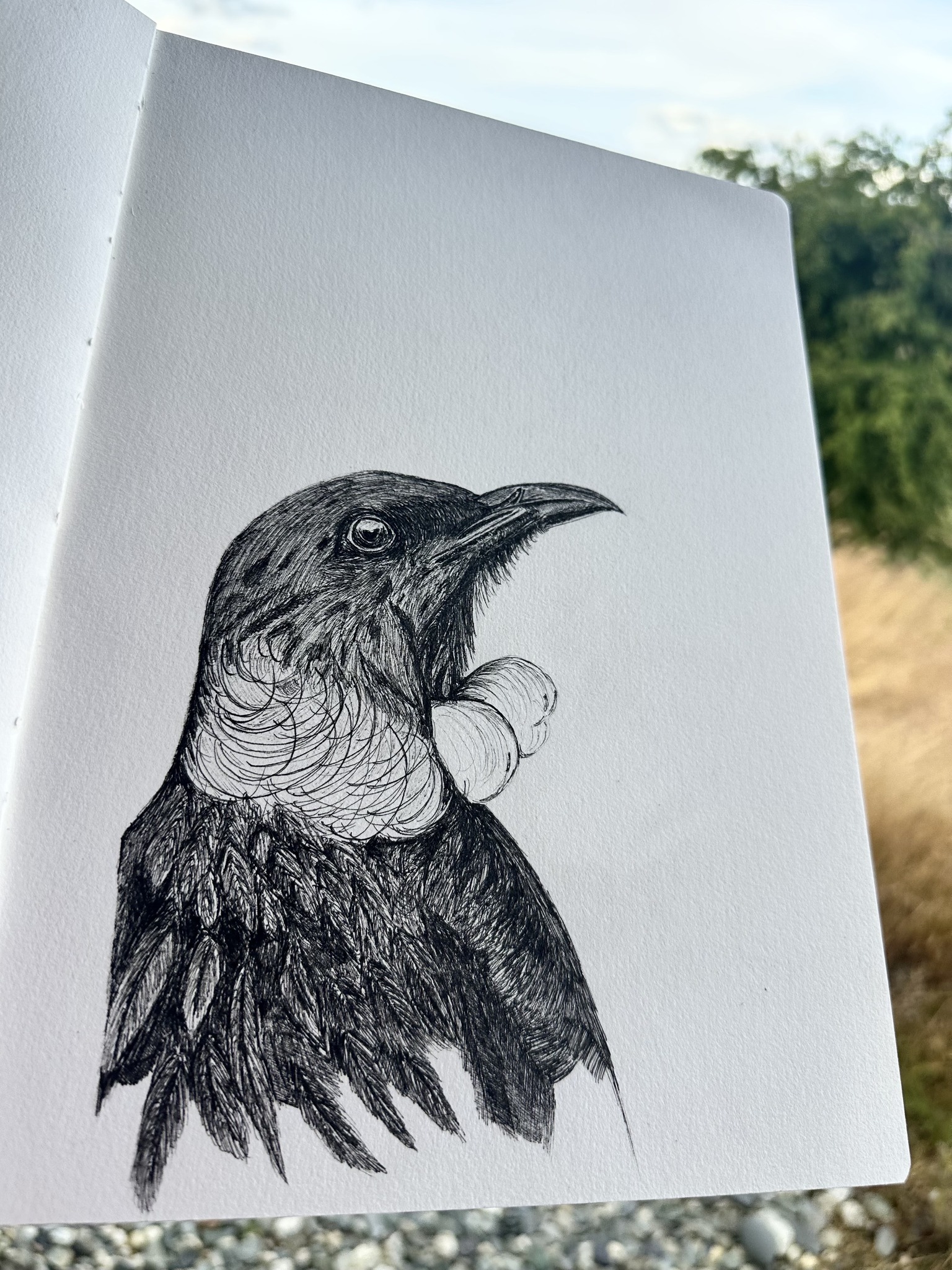
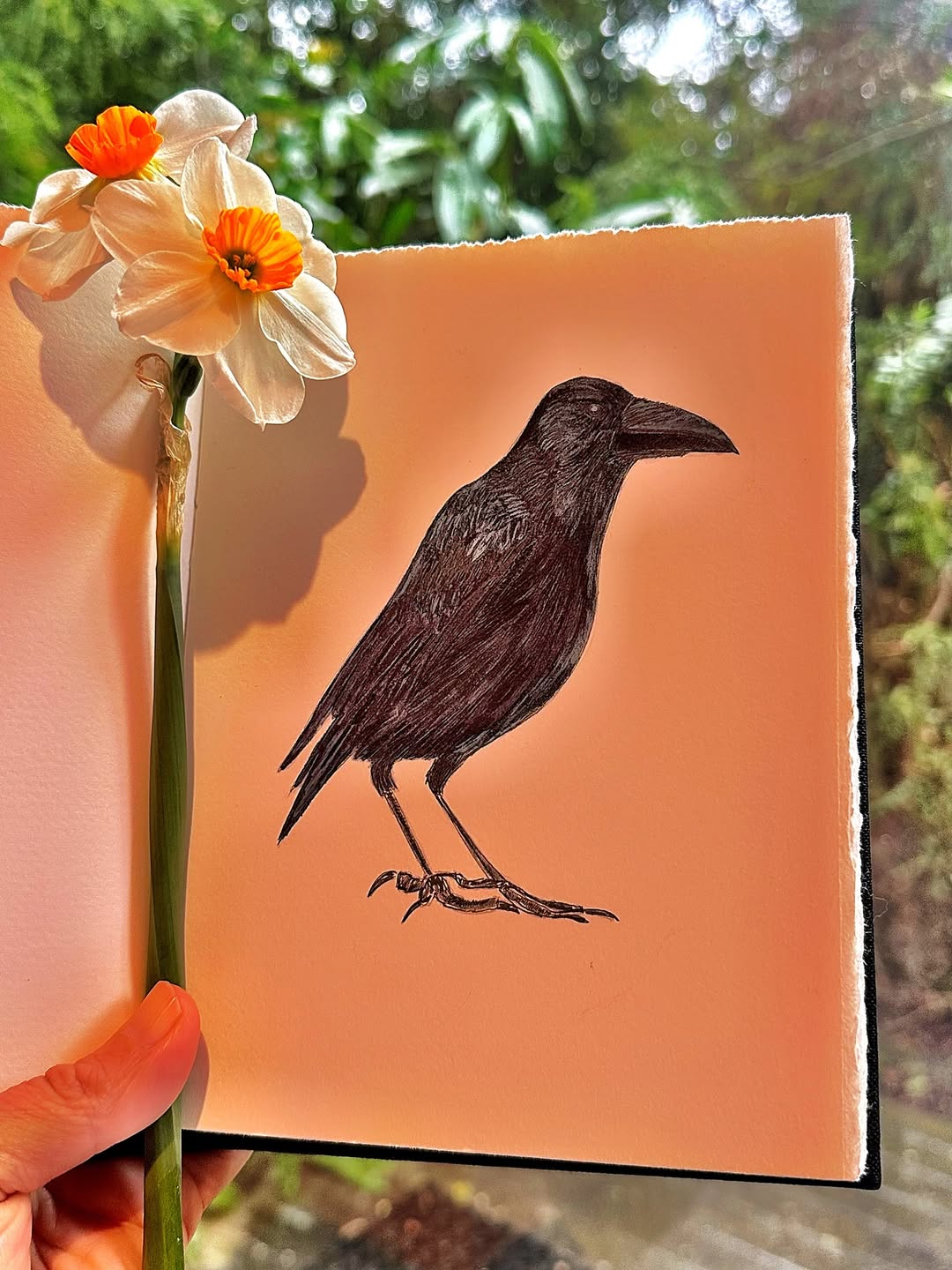
Simply put: I’d rather be drawing and painting birds.

4.
I’ve started with all these things- the less touchable and tangible- because I don’t think there is one answer to “how to make the time” that’s completely right. If you really centre your art as important, you will find it. It’s not easy. It might not be every day. But you will find it.
If I could highlight something though it would be this:
The future, your future practice, is made by a series of everyday decisions as soon as right now. If you commit to five minutes of your art for just today, that is enough.
Then you do the same tomorrow. And the day after. Just five minutes.
Don’t become the person who makes the plan about making art. Make the art. Now. Today. And then do it again tomorrow.
That’s all a practice is after all. A series of little decisions made so often that the drama we attach to all the reasons why we can’t just falls away.
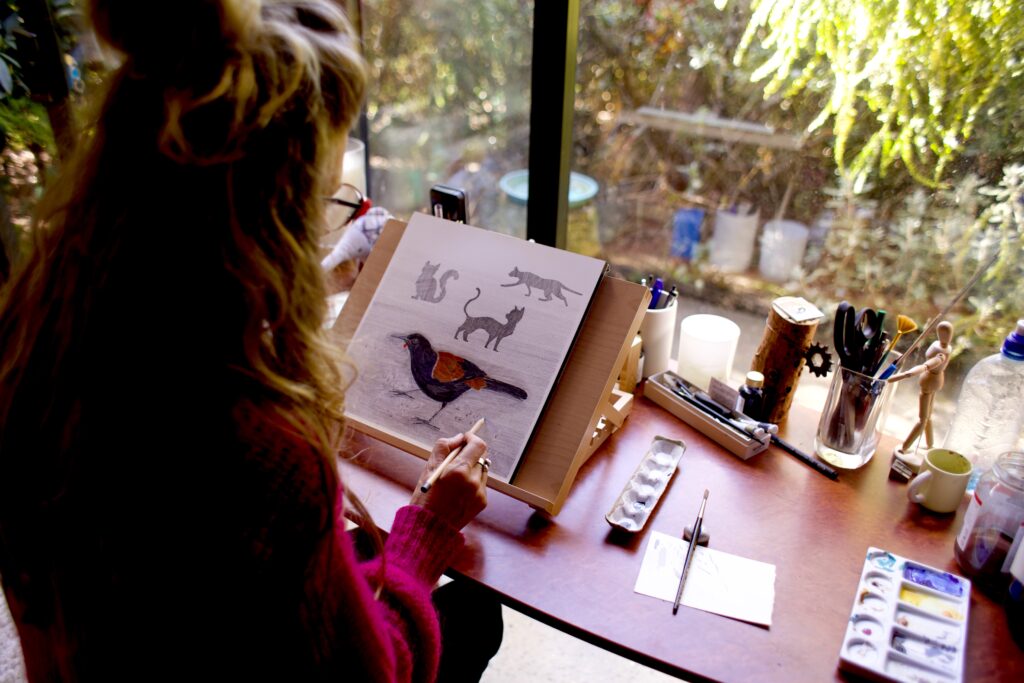
Some things I think of when it comes to making time for this fantastic business that is art.
- Make it easy to get started. Remove the friction. Have your sketchbook or your pencils or your notebook everywhere, so when that five minutes arises, you can grab whatever is around and just do it.You can ride the feeling, the momentum, as soon as it presents. Line the space between you and your art making with Teflon. You want to be able to slide on in there with your socks on and make your art.
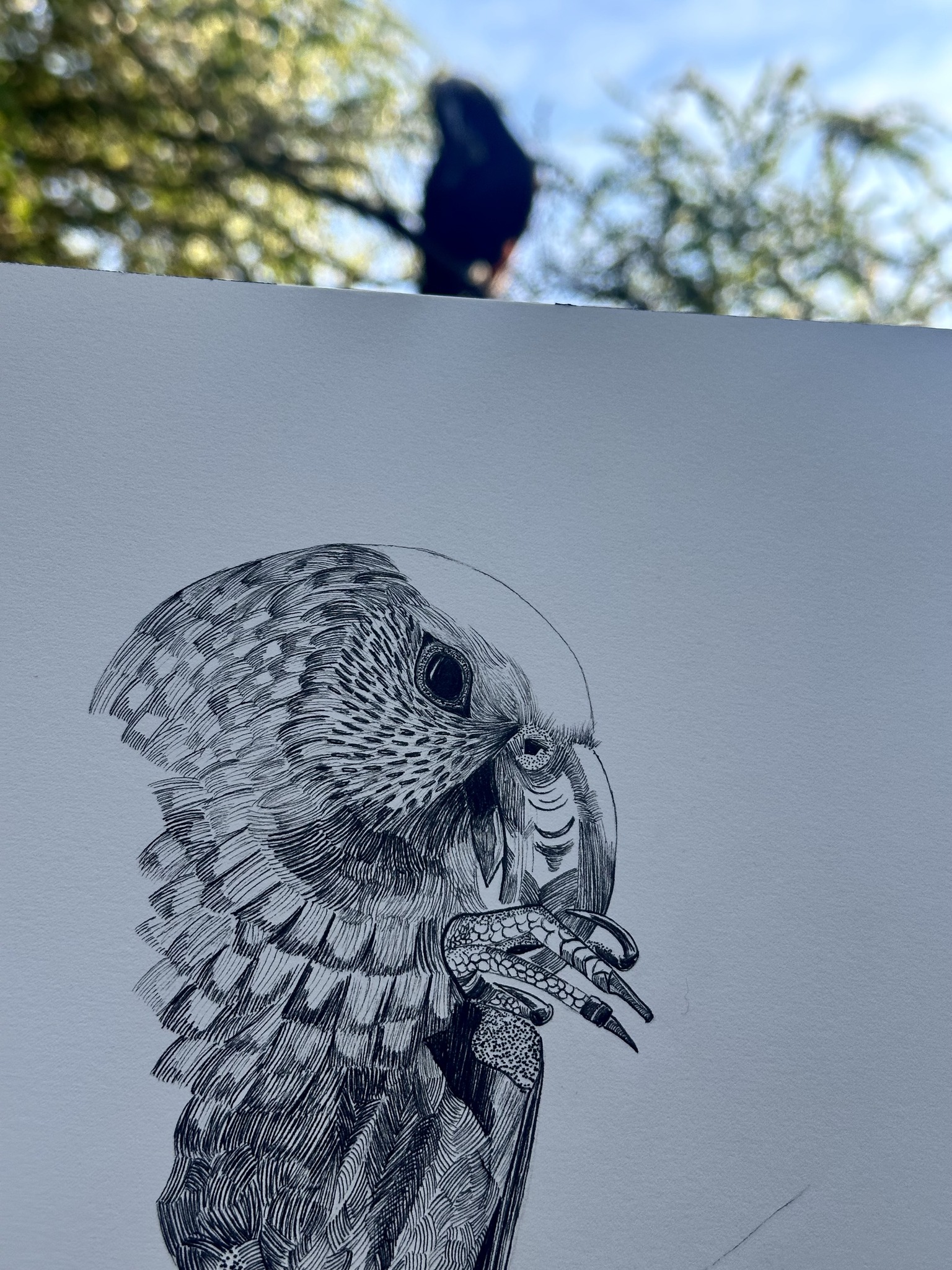
- See creating not as needing big blocks of time but micro moments. My birds often get drawn over the series of many days; before the call, while the boys are occupied for a few minutes, when I’m doing other work and need a break.Writing also. And if writing and drawing are your bag like they are mine, leave skeletons of the previous sessions all around you to make them easy to continue on with. Bullet points as paragraphs or chapter ideas you want to write. Lightly lined birds, ready for your fine point pen to jump in. Leave your last creating session at a point the future you can easily pick up from.
- Find communities that normalize the habit that you most want to do. We aren’t supposed to be doing this alone, but if you’re the only one you know in your life trying to cultivate this habit, then it can very much feel that way. I have Creating Wild, my community membership, for this reason. We need each other to create the habit of art.To say, you can do this. This is important.
- If you find the time for your creating getting squeezed out, create first. Before the phone. Before the emails. Before the other things make demands on your time. I’ve had times of life (co-sleeping or child related) that have made this not possible. But if it is possible for you, then do it.You’ll prove something to yourself that is life-changing: that this whole creating thing has benefits that far exceed everything you might have originally thought.
And if there’s one thing I can tell you with absolutely certainty, it is this:
Making time to make your art is worth it (as are you).
xx Jane